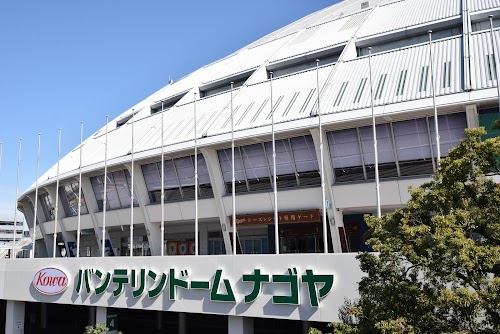
Nagoya's premier indoor stadium and home of the Chunichi Dragons baseball team, hosting major sporting events and international concerts.
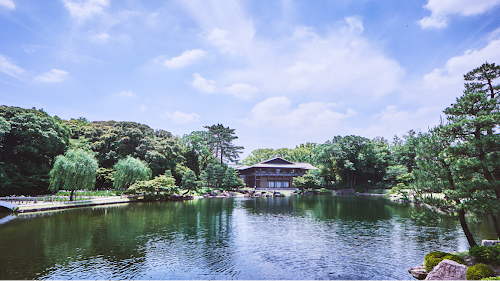
Serene Japanese garden with a stunning large pond and unique tea houses nestled among tranquil paths.
Explore exclusive artifacts and serene Japanese gardens, showcasing rich history through art and culture.
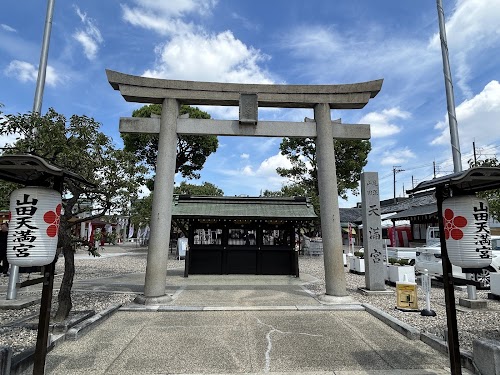
Revered 1672 Shinto shrine in Higashi Ward home to Kogane Jinja, where visitors wash coins in sacred spring water for financial fortune.
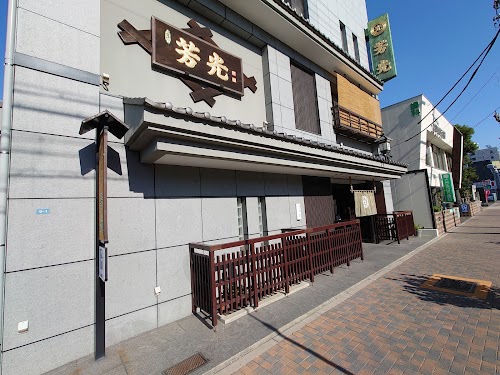
Beloved traditional Japanese confectionery near Tokugawaen, renowned across Japan for its delicate, melt-in-your-mouth artisanal warabimochi.
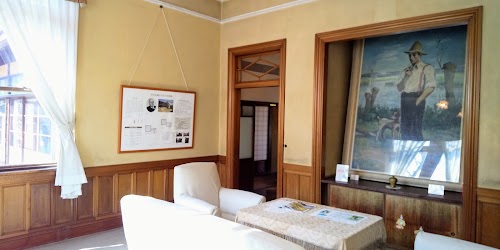
Restored 1920 Taisho-era villa of Japan's first actress Sadayacco Kawakami, showcasing vibrant stained-glass windows and literary exhibits.
Exotic 1918 hillside villa of Matsuzakaya's founder, famed for the multicultural Choshokaku pavilion and tranquil autumn maple garden.
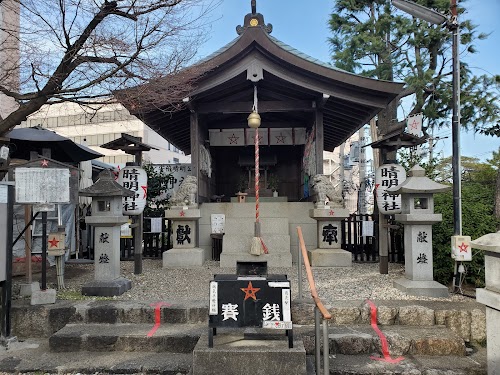
Shinto shrine dedicated to legendary Heian astrologer Abe no Seimei, popular with visitors seeking protective amulets and good fortune.
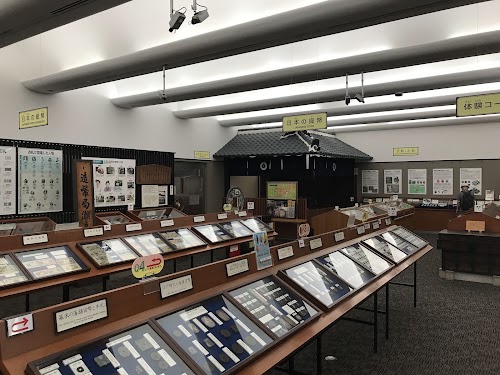
Fascinating numismatic museum displaying rare Edo-period gold oban coins, global currency history, and original woodblock prints by Hiroshige.
Discover a unique Taisho-era residence showcasing exquisite ceramic art and intimate exhibits.
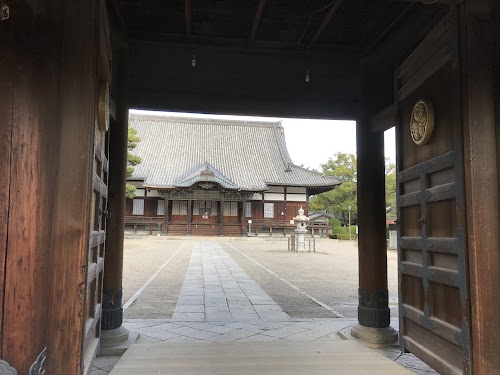
Grand 1651 family temple of the Owari Tokugawa lords, featuring a monumental wooden Sanmon gate and original Edo-period Buddhist halls.
Preserved 1923 heritage mansion of industrialist Sasuke Toyoda, blending a Western clapboard exterior with refined Japanese tatami rooms.
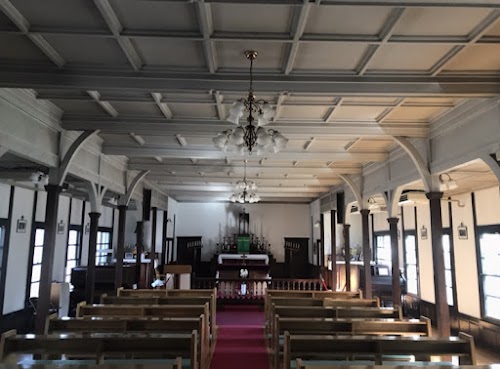
Nagoya's oldest Catholic parish (founded 1887) along the Cultural Path, featuring tranquil white walls and a shaded Lourdes grotto replica.
Explore unique local artistry and innovative ceramic designs at this vibrant exhibition hub. Interactive displays await!
Explore Nagoya’s unique blend of traditional architecture and vibrant local culture on this scenic path.
Refined French-Japanese dining inside Tokugawaen overlooking Ryusen Lake, set within a dining hall inspired by Meiji-era aristocratic banquets.
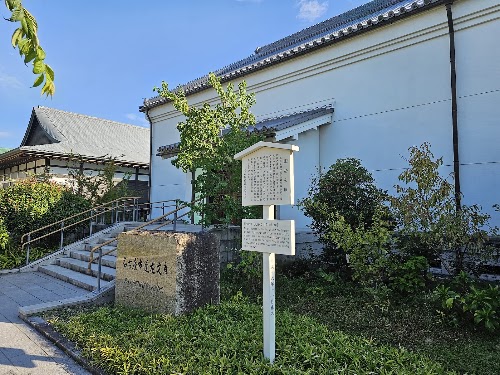
Historic archive beside the Tokugawa Art Museum preserving over 110,000 samurai manuscripts, feudal maps, and classic literature of the Owari clan.