Akita City Overview
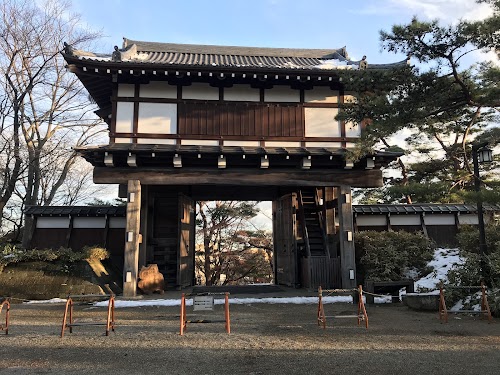
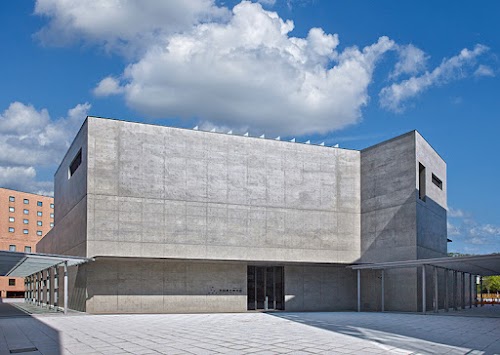
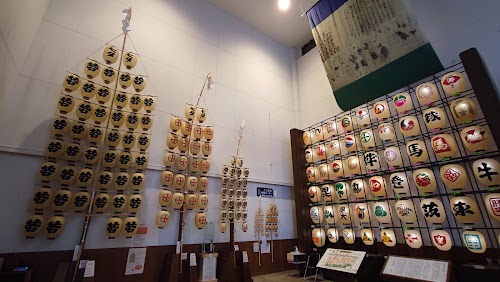
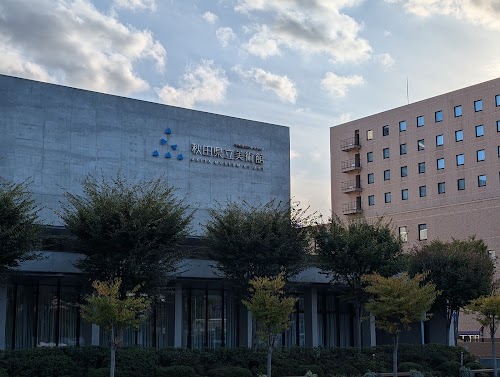
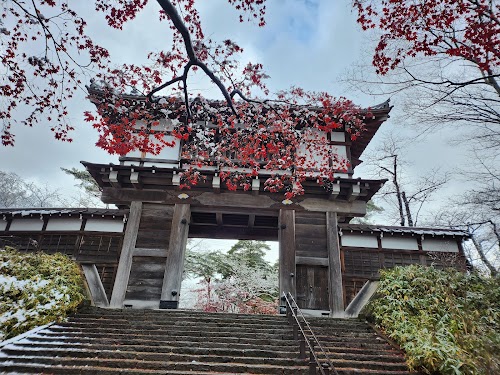
As the capital of Akita Prefecture along the Sea of Japan coast, Akita City blends samurai castle history at Senshu Park (Kubota Castle Ruins) with Tadao Ando's striking Akita Museum of Art and the lantern-balancing spectacle of the Akita Kanto Festival. Visitors can browse fresh seafood at Akita Citizens' Market, tour historic Takashimizu Sake Brewery, and savor authentic Kiritanpo hotpot, Inaniwa Udon, and Hinai-jidori chicken.
Akita City Top Attractions
See All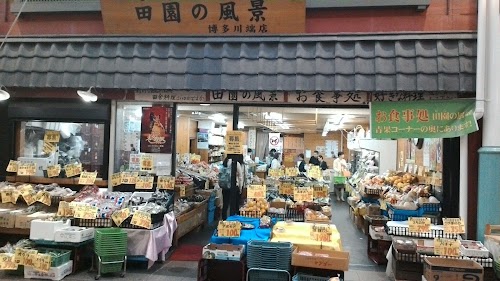
Akita City Frequently Asked Questions
Must-see highlights include Senshu Park (Kubota Castle Ruins), the Akita Museum of Art, the Akita City Folk Performing Arts Heritage Center (Neburi Nagashi Kan), Red Brick Folk Museum, and Port Tower Selion.
Held August 3–6, the Akita Kanto Matsuri features performers balancing giant bamboo poles hung with up to 46 paper lanterns. Year-round, you can see real Kanto poles and try balancing one at Neburi Nagashi Kan.
Designed by Pritzker Prize-winning architect Tadao Ando, the museum showcases the monumental 20-meter painting The Annual Events of Akita by Franco-Japanese master Tsuguharu Foujita alongside a water-mirror café overlooking Senshu Park.
Don't miss Kiritanpo Nabe (toasted mashed-rice cylinders simmered in rich Hinai-jidori chicken broth), silky hand-stretched Inaniwa Udon at Mugenan or Sato Yosuke, and Hatahata (sandfish) hotpot.
Atariya (Akita Maiko Theater) and cultural venues near Senshu Park preserve the historic Kawashiri / Kawabata geisha and maiko tradition with dance performances and hospitality.
Akita Citizens' Market (Akita Shimin Ichiba), a short walk from Akita Station, lets you build your own Nokkedon seafood rice bowl and shop for smoked Iburigakko pickles and regional sake.
Yes! Takashimizu Sake Brewery (Kurabito Kobo) offers guided tours and tastings of premium Akita sake brewed with cold mountain snowmelt and local rice.
Ride the free glass elevator up the 100-meter Port Tower Selion for panoramic views of the Sea of Japan and Oga Peninsula, and visit the Tsuchizaki Shinmeisha Shrine and Hikiyama Heritage Hall.
Yes, the Former Kaneko Family House, Old Matsubara Kyoko Store, and the Meiji-era Akita City Red Brick Folk Museum (Former Akita Bank Main Office) showcase Akita's merchant and banking heritage.
Very walkable! JR Akita Station connects via a covered walkway directly to Area Nakaichi, Senshu Park, and the Akita Museum of Art within a 10-minute stroll.
