Historic Restaurants Overview
Kyoto stands as the ancient cultural and culinary heart of Japan, boasting some of the world's oldest continuously operating restaurants, teahouses, and confectioners dating back more than a millennium. From Heian-period aburi-mochi shrines and Kamakura-era Uji teahouses to Edo-period kaiseki ryotei, Buddhist shojin ryori temples, and century-old sake breweries in Fushimi, explore Kyoto's unmatched heritage of gastronomy.
Historic Restaurants Top Attractions
See All
Historic Restaurants Frequently Asked Questions
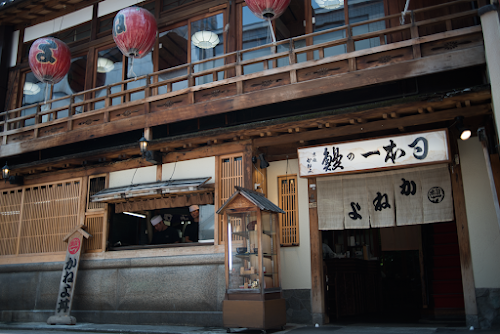
Kyoto is home to Ichimonjiya Wasuke and Ichiwa (both founded c. 1000 at Imamiya Shrine, over 1,000 years old), Tsuen Tea in Uji (founded 1160), Honke Owariya (founded 1465), and Kawabata Doki (founded 1503).
Yes, historic kaiseki establishments like Hyotei, Kikunoi, Takeshigero (Minokichi), Chimoto, and Mankamero strongly recommend or strictly require reservations well in advance, while casual historic noodle shops and aburi-mochi stalls accept walk-ins.
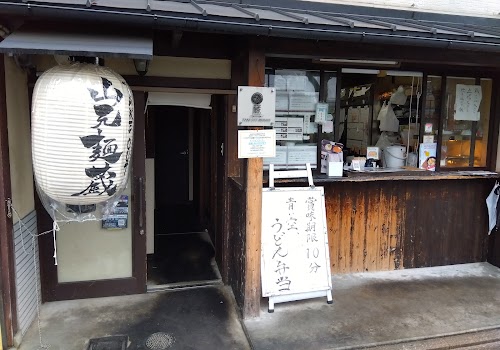
Signatures include Kaiseki and Yusoku court cuisine, Nanzen-ji style yudofu (hot tofu), temple-born shojin ryori vegetarian dining, Kansai saba-zushi (cured mackerel sushi), sweet-cured nishin soba, and ceremonial Uji matcha sweets.
While renowned ryotei and central cafes accept credit cards, many traditional shrine-front sweet shops, market stalls, and small noodle parlors operate on cash-only payments (Japanese yen).
