Ise, Mie
Area Guide

Ise Grand Shrine, Okage Yokocho & Meoto Iwa

Ise Overview

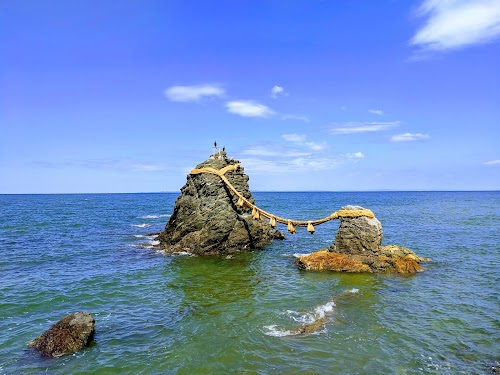
Ise, the spiritual heart of Japan, is home to Ise Jingu (Ise Grand Shrine), the nation's most sacred Shinto complex nestled within ancient cypress forests. Visitors can stroll the nostalgic Edo-era lanes of Oharai-machi and Okage Yokocho, savor local delicacies like Ise Udon and Akafuku Mochi, and admire the sacred Meoto Iwa (Wedded Rocks) along the Futami coast.

Ise Top Attractions

See All
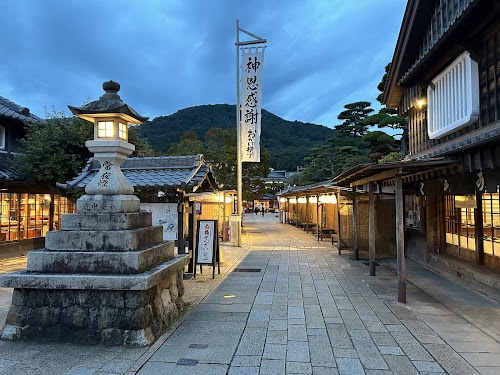
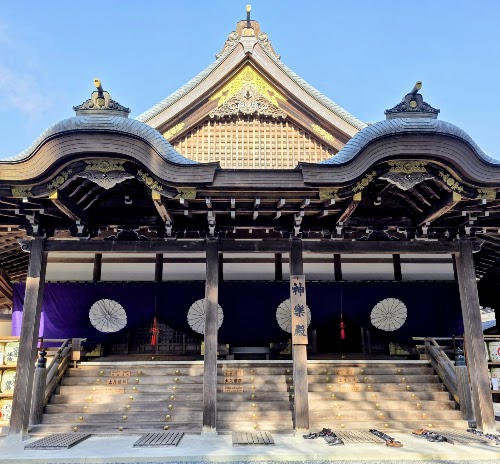
 Okage Yokocho location image photo
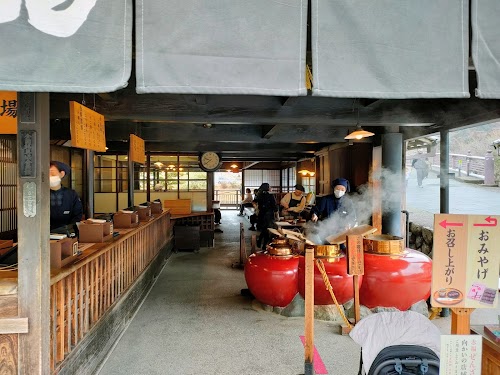
Okage Yokocho

Explore unique traditional shops and local delicacies in this charming historic alleyway of Mie.

 Kotai Jingu location image photo
Kotai Jingu

Discover Japan's unique Shinto shrine with its ancient rituals and stunning natural surroundings.

 Toyouke Daijingu (Ise Jingu Geku, Outer Sanctuary) location image photo
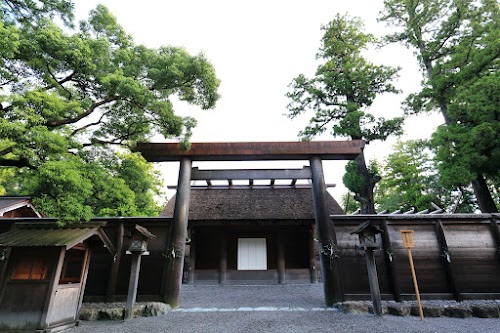
Toyouke Daijingu (Ise Jingu Geku, Outer Sanctuary)

Discover sacred traditions and harvest deity worship at this tranquil forested sanctuary in Ise.

 Futami Okitama Shrine location image photo
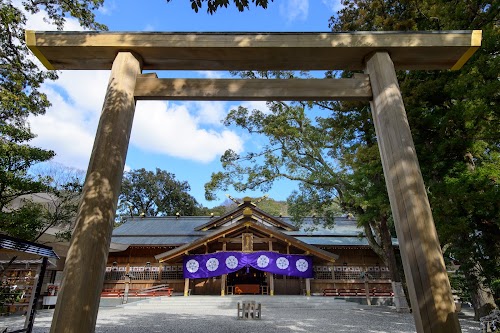
Futami Okitama Shrine

Renowned for its unique sea deity worship and striking rock formations, this Shrine offers a serene experience.

 Sarutahiko Shrine location image photo
Sarutahiko Shrine

Nestled in Mie, this shrine is famous for its guardian deity of travelers and stunning natural surroundings.

 Akafuku honten location image photo
Akafuku honten

Experience traditional sweets with unique rice cake artistry in Mie Ise’s historic confectionery.

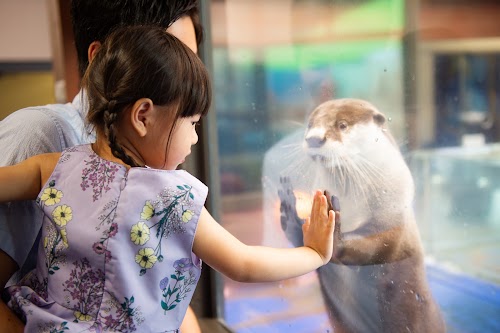
 ISE Sea Paradise location image photo
ISE Sea Paradise

Unique marine experiences & interactive exhibits highlight rich aquatic life in a stunning coastal setting.

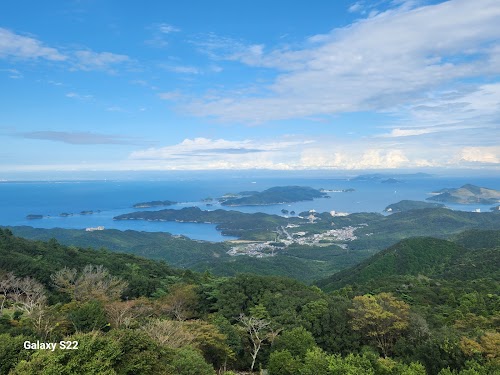
 Asama Mountain View Point location image photo
Asama Mountain View Point

Breathtaking panoramic vistas and unique seasonal wildflowers await at this stunning viewpoint.

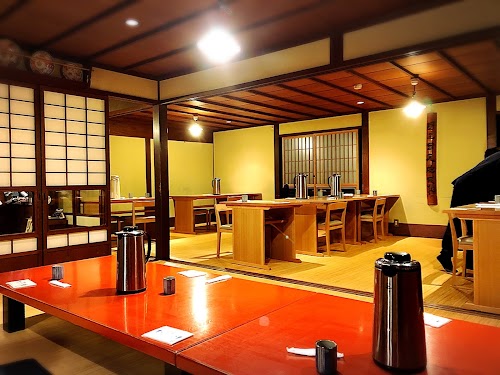
 Ebiya large cafeteria / Ebiya shop location image photo
Ebiya large cafeteria / Ebiya shop

Experience authentic local cuisine and a welcoming atmosphere in the heart of mie_ise, uniquely yours!

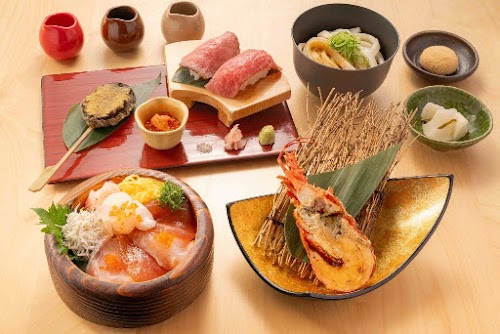
 Sushikyu location image photo
Sushikyu

Experience authentic Ise-style sushi and fresh, local seafood in a traditional setting at this unique eatery.

Ise Frequently Asked Questions

What is the traditional order to visit Ise Jingu?

Pilgrims traditionally visit Geku (Outer Shrine) first and then proceed to Naiku (Inner Shrine). A frequent local bus connects the two shrines in about 15 minutes.

What local foods must I try in Ise?

Don't miss Akafuku Mochi (sweet red bean paste over soft rice cake), Ise Udon (thick, soft noodles in rich dark tamari sauce), Tekone-zushi (marinated bonito sushi), and Ise Ebi (spiny lobster).

What is the difference between Oharai-machi and Okage Yokocho?

Oharai-machi is the 800-meter stone-paved approach street leading to Naiku, while Okage Yokocho is a bustling recreated Edo-to-Meiji village square located right in the middle of Oharai-machi.

How do I get to Meoto Iwa (Wedded Rocks)?

Take the JR Sangū Line from Iseshi Station to Futaminoura Station (about 8 minutes) and walk 15 minutes along the scenic approach to Futami Okitama Shrine, or take the CAN Bus directly.

Is there an entrance fee for Ise Jingu?

No, both Naiku and Geku are completely free to enter, though adjoining museums such as Sengukan and Jingu Chokokan charge a small admission fee.

Can I take photos inside Ise Jingu?

Photography is permitted along the forested approaches and bridges, but strictly prohibited inside the inner stone steps and sacred fence of the main sanctuaries at both Naiku and Geku.

What is the best viewpoint in Ise?

Head up the Ise-Shima Skyline to the Mount Asama Observation Deck, where you can soak in a scenic footbath and snap photos by the 'Postbox in the Sky' overlooking Ise Bay.

What traditional souvenirs is Ise known for?

Look for Ise Momen (colorful striped traditional cotton textiles), Iwato-no-Shio (sacred sea salt from Futami), Ise Uiro steamed sweets, and local craft beers from Ise Kadoya.

How early do the shrines open?

Both Naiku and Geku open at 5:00 AM every day of the year. Visiting early in the morning lets you experience the serene cedar groves before the daytime crowds arrive.

Which train station should I use in Ise?

Iseshi Station (JR and Kintetsu) is closest to Geku (a 7-minute walk), while Ujiyamada Station and Isuzugawa Station (Kintetsu) offer convenient bus access to Naiku.

Ise, Mie Tourist Attraction Spot Map Area Guide