Kuwana Overview
Located at the mouth of the Kiso Three Rivers just outside Nagoya, Kuwana blends world-class entertainment at Nagashima Resort (Nagashima Spa Land and Nabana no Sato) with deep Edo-period heritage along the Old Tokaido Highway. Visitors can tour the East-meets-West architectural masterpiece Rokkaen, experience Tado Taisha in the northern foothills, and feast on Kuwana's legendary wild Hamaguri clams.
Kuwana Top Attractions
See All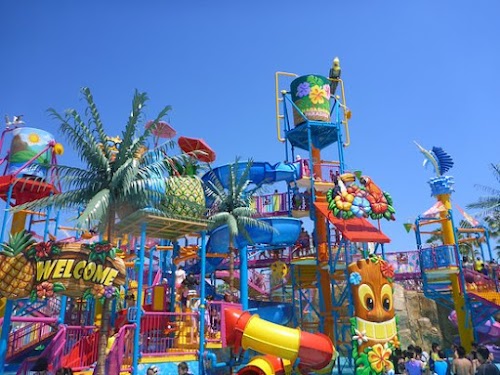
Kuwana Frequently Asked Questions
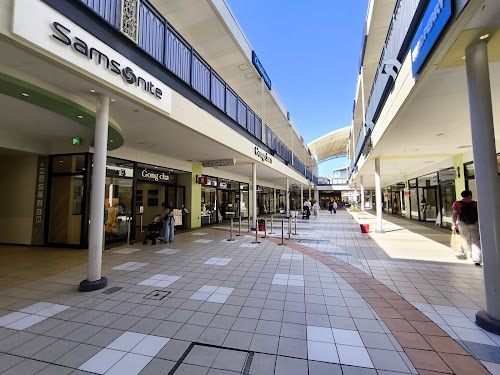
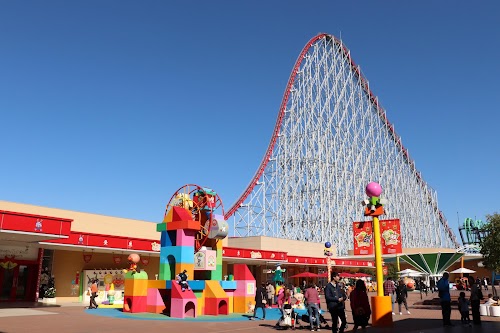
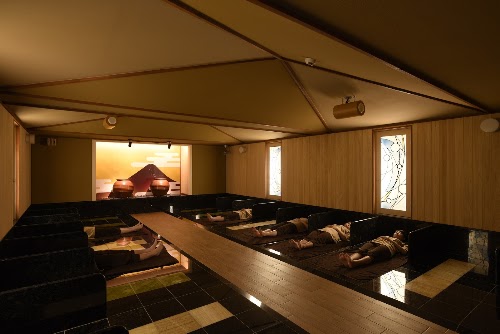
Nagashima Resort combines Nagashima Spa Land (world-class roller coasters), Yuami no Shima (a massive outdoor hot spring complex), Jazz Dream Nagashima outlet mall, and the Nagoya Anpanman Children's Museum.
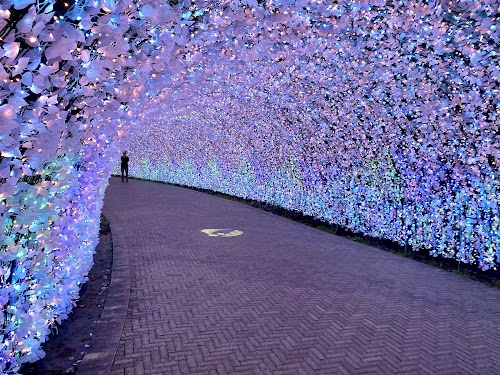
The world-famous Nabana no Sato Winter Illumination typically runs from late October through May, featuring famous tunnels of light, seasonal flower fields, and giant indoor begonia greenhouses.
Kuwana has been famous since the Edo period for Hamaguri (wild estuarine clams) harvested where the Ibi and Nagara rivers meet Ise Bay, served grilled, in hotpots (Hamaguri Nabe), or simmered as Shigureni.
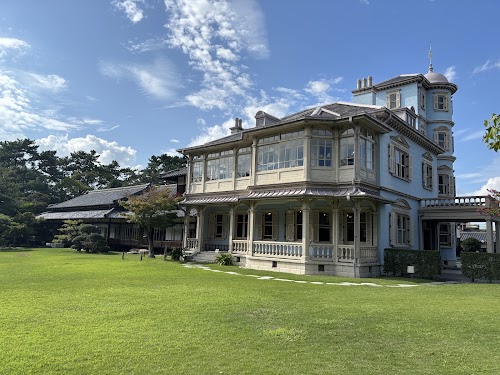
Completed in 1913 and designated an Important Cultural Property, Rokkaen seamlessly pairs a Victorian Western mansion designed by British architect Josiah Conder with a traditional Japanese residence and pond garden.
During the Edo period, Shichiri no Watashi was the harbor landing for the 27-km sea ferry from Nagoya on the Old Tokaido Highway, marked by the 'First Torii Gate of Ise' leading toward Ise Jingu.
Held every August and listed by UNESCO, the Ishitori Matsuri parades 43 ornate festival floats clanging gongs and taiko drums simultaneously, earning the title of 'the loudest festival in Japan.'
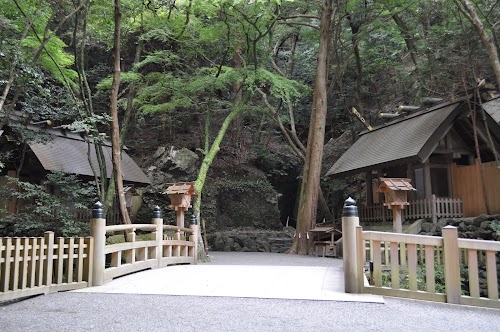
Nestled at the foot of Mount Tado, Tado Grand Shrine is renowned for its May Ageuma Shinji festival, where young riders on horseback charge up a near-vertical dirt cliff to divine the year's harvest.
Try Yasunaga Mochi (elongated, lightly griddled rice cakes filled with red bean paste dating back to the 1600s) and Kuwana's nostalgic rock-hard Ice Manju milk-and-azuki popsicles.
Yes, the legendary Muromachi-period swordsmith Sengo Muramasa worked in Kuwana. His blades and local heritage are exhibited at the Kuwana City Museum and remembered at Shoju-in (Jizo-in).
Kuwana Station is just 20 minutes by JR or Kintetsu train from Nagoya Station, and direct highway buses run frequently from Meitetsu Bus Center to Nagashima Resort and Nabana no Sato.
