Historic Restaurants Overview
Osaka, historically celebrated as the 'Nation's Kitchen' (Tenka no Daidokoro), is legendary for its vibrant food culture and the spirit of 'kuidaore' (eat until you drop). From Muromachi-era sweet shops in Sakai and Edo-period unagi and udon-suki masters in Kitahama and Honmachi, to the Meiji birthplaces of kitsune udon and omurice, and nostalgic Showa kushikatsu and okonomiyaki houses, journey through Osaka's rich culinary legacy.
Historic Restaurants Top Attractions
See All
Historic Restaurants Frequently Asked Questions
Legendary establishments include Kanbukuro in Sakai (founded 1329), Surugaya (1461), Takaoka Fukunobu (1624), Honke Shibato (1717), Mimiu (1764), Yao Gen (1780), and Nadaman (1830).
Osaka is the birthplace of several iconic dishes: Usami-tei Matsubaya invented Kitsune Udon in 1893, Hokkyokusei created Omurice in 1922, Ganso Aizuya invented Takoyaki in 1933, Mimiu pioneered Udon Suki, and Suehiro pioneered table-top Shabu-shabu.
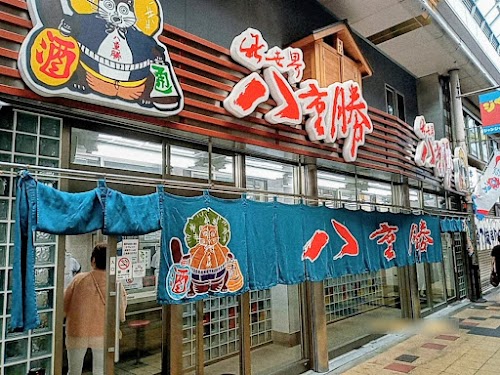
Key historic food areas include Hozenji Yokocho (paved with stone alleys and traditional kappo dining), Dotonbori (home to Imai, Hariju, and Daikoku), Shinsekai (home to Daruma and Yaekatsu kushikatsu), and Kuromon Market.
Established ryotei, sukiyaki, and beef restaurants accept major credit cards, while traditional Shinsekai standing kushikatsu counters, retro kissaten coffee shops, and market stalls frequently operate cash-only.
