Obanazawa Overview
Nestled in the snowy mountains of northeastern Yamagata, Obanazawa is world-famous for Ginzan Onsen, an enchanting Taisho-era hot spring town of gas-lit multi-story wooden ryokans flanking the Ginzan River. Beyond Ginzan Onsen, Obanazawa is the birthplace of the Hanagasa Ondo folk dance at Tokura Lake, Japan's premier producer of summer watermelons, and a paradise for Obanazawa buckwheat soba and Yukifuri Wagyu beef.
Obanazawa Top Attractions
See All
Obanazawa Frequently Asked Questions
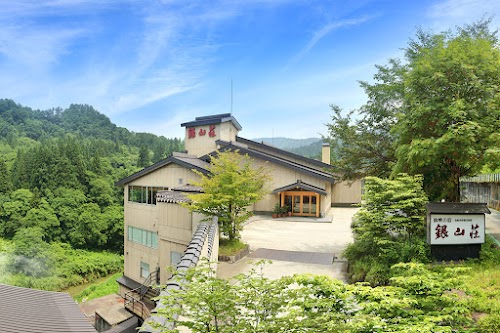
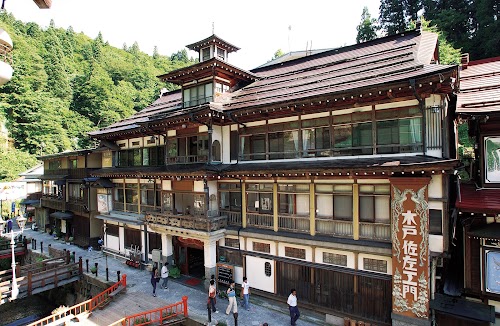
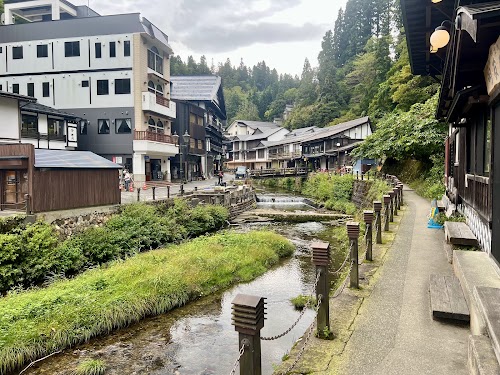
Ginzan Onsen preserves a breathtaking pedestrian street of three- and four-story Taisho- and early-Showa-era wooden ryokans illuminated by gas lamps along the Ginzan River, evoking the world of Studio Ghibli's Spirited Away.
Yes! Day visitors can soak in the free Warashiyu riverside footbath, use the Kengo Kuma-designed Shiroganeyu public bathhouse, hike to Shirogane Falls and the Nobezawa Silver Mine Ruins, and dine at local cafes and soba houses.
Iconic inns include Notoya Ryokan (a 1921 Registered Tangible Cultural Property with a red bridge and tower), Fujiya (redesigned with delicate bamboo screens by Kengo Kuma), and Kosekiya Bekkan.
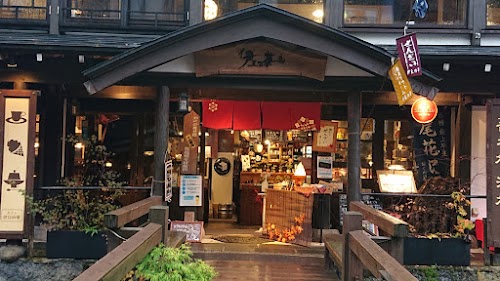
Don't miss freshly made hot Tachigui Tofu from Nogawa Tofuya eaten right by the footbath, crispy Haikara-san Curry Bread from Meiyuu-an, and roasted cocoa with toasted marshmallows at Sake Chabo Kuriya.
At the back of the town, a scenic walking trail in Shirogane Park passes the 22-meter Shirogane Falls, Senshin-kyo Gorge, the natural cold-air vent Natsu-shirazu, and the caverns of the Nobezawa Ginzan Silver Mine.
Constructed in 1921, Tokura Lake in Obanazawa is the birthplace of the Hanagasa Ondo, the work song sung by laborers packing the reservoir embankment that inspired Yamagata's famous Hanagasa Festival.
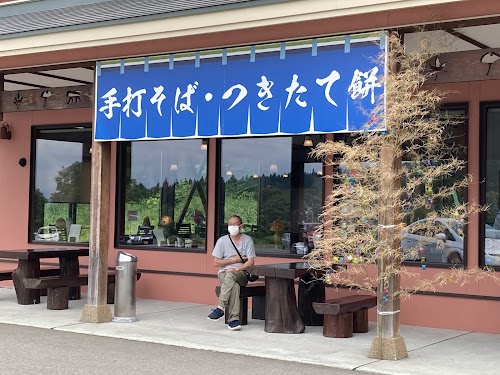
Thanks to huge day-night temperature swings, Obanazawa harvests extraordinarily fragrant Saori buckwheat, served as handmade 100% buckwheat noodles (Juwari Soba) and thick wooden-plank Itasoba at shops like Takimikan, Izu no Hana, and Tsuruko Soba.
Yukifuri ('Snowfall') Wagyu is prized black-haired Japanese beef raised through Obanazawa's freezing winters, developing delicate, powdery marbling that melts on the tongue at restaurants like Takehachi and Restaurant Tokura.
During his 1689 Narrow Road to the Deep North journey, haiku master Matsuo Basho stayed 10 nights in Obanazawa—his longest stay in Yamagata—commemorated at Yosenji Temple and the Basho, Kiyokawa Historical Museum.
Take the Yamagata Shinkansen to JR Oishida Station, then ride the connecting Hanagasa Bus (35–40 mins) to Ginzan Onsen. Drivers park at Taisho Romankan and take the shuttle bus into the pedestrian-only village.
