Tsuruoka Overview
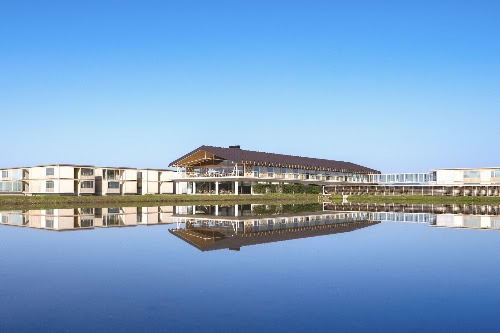
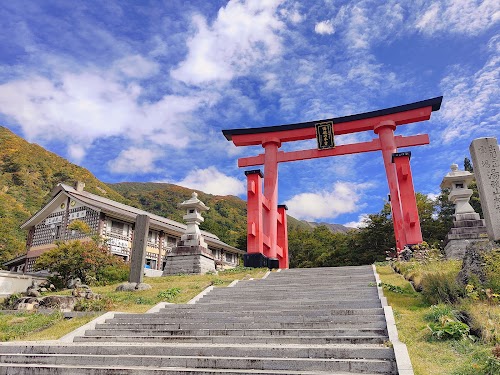
Stretching from the sacred peaks of the Dewa Sanzan (Mounts Haguro, Gassan, and Yudono) across the fertile Shonai Plain to the Sea of Japan, Tsuruoka is Japan's first UNESCO Creative City of Gastronomy. Visitors can climb the 2,446 stone steps past the National Treasure Mount Haguro Five-Story Pagoda, marvel at the 5-meter jellyfish theater at Kamo Aquarium, stay at Shigeru Ban's floating SUIDEN TERRASSE, and savor Shojin Ryori and heirloom Shonai produce.
Tsuruoka Top Attractions
See All
Tsuruoka Frequently Asked Questions
The Dewa Sanzan (Three Mountains of Dewa) are Mount Haguro (representing the present), Mount Gassan (the past), and Mount Yudono (the future/rebirth), revered for over 1,400 years as a sacred pilgrimage center of Yamabushi mountain ascetics.
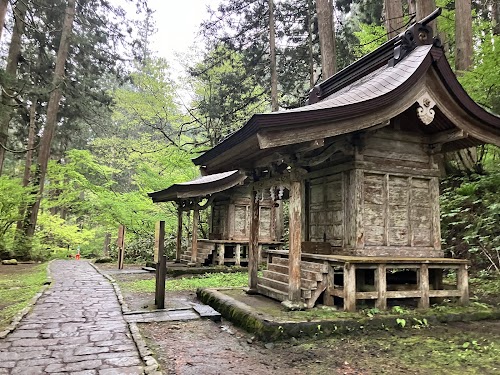
Awarded three Michelin Green Guide stars, the 2,446 stone steps wind through an avenue of 400-year-old giant cedars past the National Treasure Five-Story Pagoda, Nino-saka Chaya teahouse, and up to the monumental thatched Sanjin Gosaiden Shrine.
Kamo Aquarium exhibits the world's largest variety of jellyfish species (80+) and features the mesmerizing 'Kuranetarium' (Jellyfish Dream Theater)—a glowing 5-meter circular window filled with thousands of moon jellyfish.
In 2014, Tsuruoka became Japan's first UNESCO City of Gastronomy for preserving over 50 heirloom crops (Zairai Sakumotsu) like Dadacha-mame edamame, mountain Shojin Ryori Buddhist cuisine at Saikan, and pioneering farm-to-table restaurants like Al-che-cciano.
Dainichibo Temple and Churenji Temple enshrine rare Sokushinbutsu (self-mummified Shugendo monks) who practiced years of austere forest diets and meditation to attain Buddhahood in their physical bodies.
Surrounding Tsurugaoka Castle Ruins (Tsuruoka Park) are the Chido Museum, the 1805 Chidokan Clan School, the stone-roofed Heishindo (Former Kazama Residence), Taihokan, and the 1903 Tsuruoka Catholic Church.
Designed by Pritzker Prize-winning architect Shigeru Ban, SUIDEN TERRASSE is a timber resort hotel and natural hot spring complex whose wooden pavilions appear to float above Tsuruoka's seasonal rice paddies.
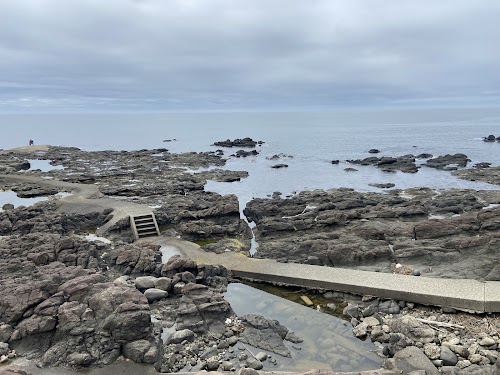
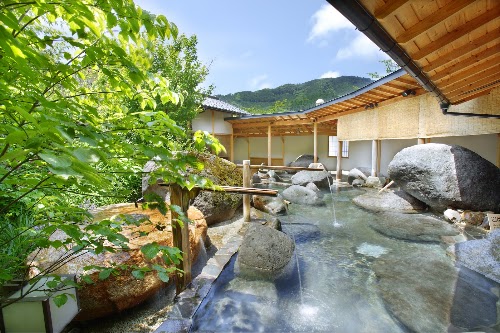
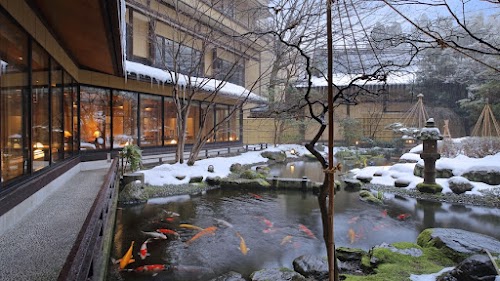
Yunohama Onsen offers beachfront ryokans and fiery Sea of Japan sunsets, while 1,000-year-old Atsumi Onsen features riverside cherry trees, morning markets, and historic inns like Tachibanaya and Bankokuya.
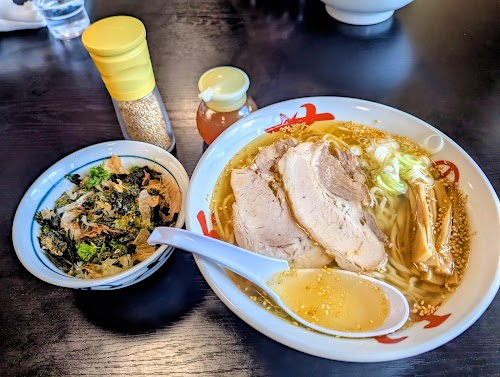
Located near Sanze on the Tsuruoka coast, Kotohira-so is a legendary ryokan that transforms into a ramen shop only from October through May, drawing ramen fans nationwide for its flying-fish (Ago-dashi) broth.
Yes! Studio Sedic Shonai Open Set on the slopes of Mount Haguro is an 88-hectare outdoor cinema village where samurai classics like 13 Assassins, The Twilight Samurai, and Rurouni Kenshin were filmed.
