Yamanote Overview
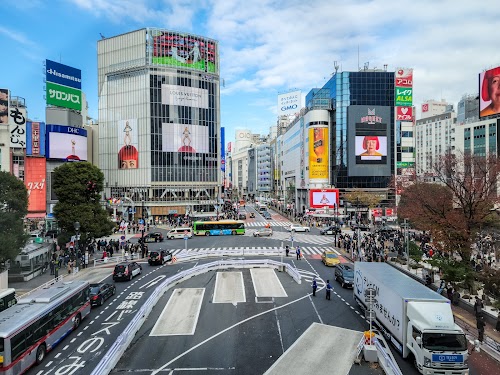
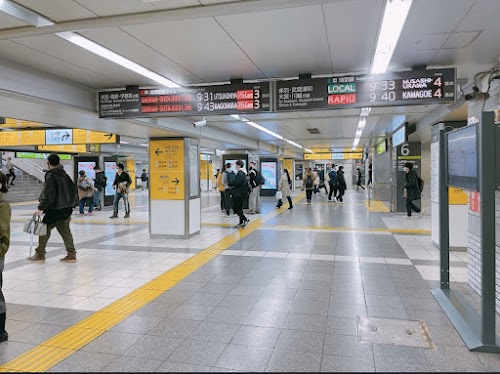
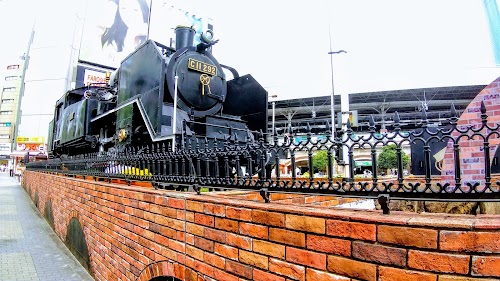
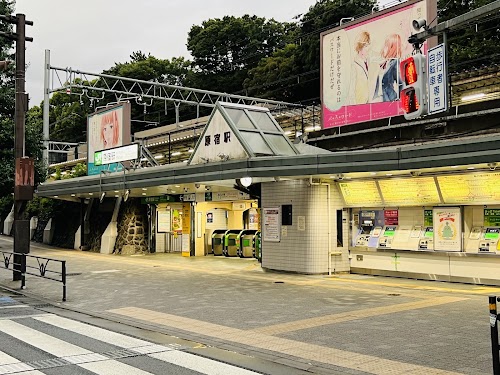
Yamanote, Tokyo’s iconic loop line, encircles the city’s vibrant districts. Major stations like Shinjuku, Shibuya, and Ikebukuro connect commuters to urban life. Known for its cultural attractions, the Yamanote Line offers easy access to museums, parks, and shopping hubs. This essential transit route reflects Tokyo’s energy while facilitating daily commutes for millions.
Yamanote Top Attractions
See All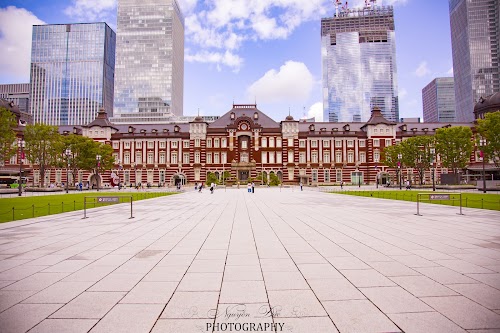

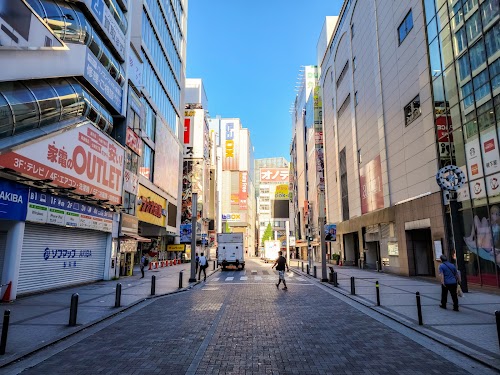
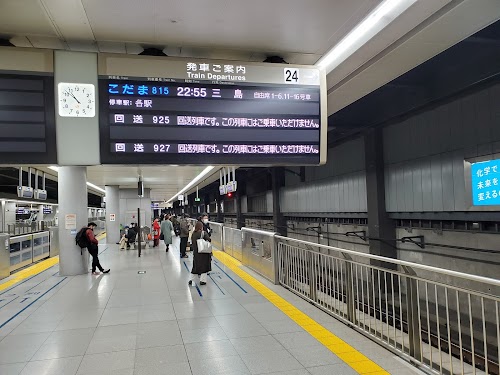
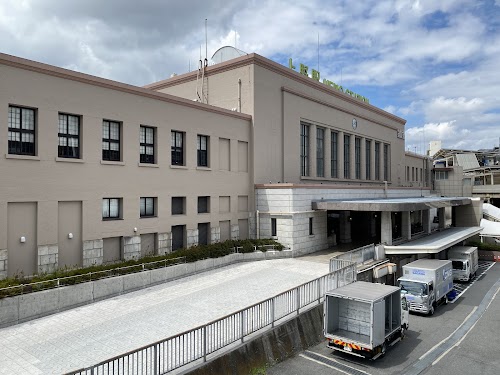
Yamanote Frequently Asked Questions
The Yamanote Line is a circular train route in Tokyo, connecting major districts. It's known for its convenient access to popular spots, making it an essential part of navigating the city.
Trains on the Yamanote Line run frequently, usually every 2 to 4 minutes during the day. This allows you to travel seamlessly across Tokyo without long waiting times.
You can use a Suica or Pasmo card for easy access. These IC cards let you hop on and off without buying individual tickets, saving time and hassle.
Yes, major stations on the Yamanote Line provide coin lockers for luggage storage. It’s perfect for travelers who want to explore hands-free without carrying bags.
Yes, if you have a Japan Rail Pass, it covers travel on the Yamanote Line. Just be sure to show your pass when boarding and enjoy unlimited rides!
Absolutely! In addition to popular spots, explore lesser-known places like Yanaka for old Tokyo vibes or ** Shimokitazawa** for vintage shops. Both offer a unique charm away from the crowds.
Don't miss out on Ekiben, delicious bento boxes available at train stations. Each region has unique options, so it’s a tasty way to sample local cuisine while you travel.
Yes! Areas like Shibuya and Shinjuku come alive at night with vibrant bars, restaurants, and karaoke spots. The nightlife is bustling and offers something for everyone.
While Japanese is the main language, many locals know basic English. Don't hesitate to use translation apps or gestures—most people appreciate the effort and are quite friendly!
Absolutely! Each station features various food stalls and restaurants offering local delicacies like sushi, ramen, and tempura. It's a delicious way to savor Tokyo's culinary scene while traveling.
