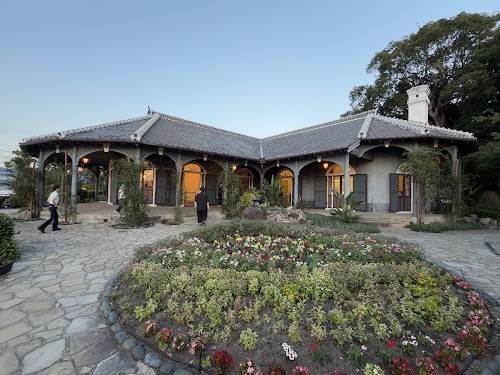
Hillside open-air museum of Meiji-era Western mansions overlooking Nagasaki Harbor, anchored by the UNESCO-listed Former Glover House.
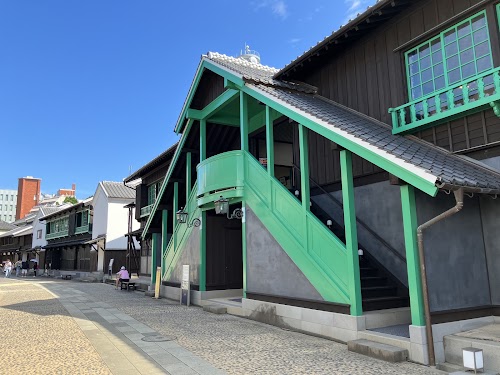
Faithfully reconstructed fan-shaped island trading post that served as Japan's sole link to Dutch and Western commerce from 1641 to 1859.
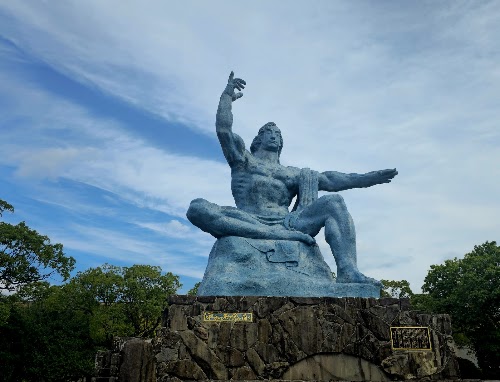
Solemn terraced memorial park featuring the iconic Peace Statue, Fountain of Peace, and international monuments dedicated to nuclear disarmament.
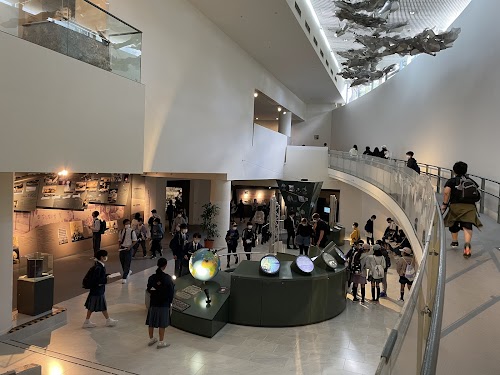
Deeply moving museum chronicling the August 9, 1945 bombing through survivor testimonies, melted artifacts, and historical timelines.
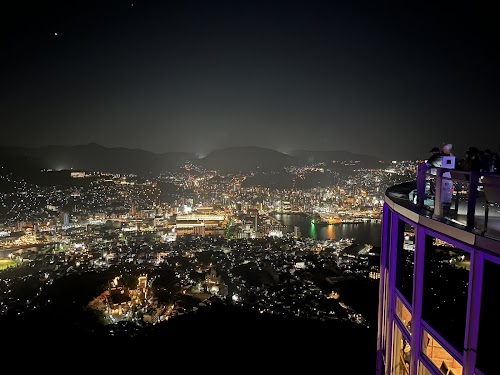
333-meter summit reached by ropeway, celebrated as one of the World's New Top Three Night Views over Nagasaki's glowing amphitheater harbor.
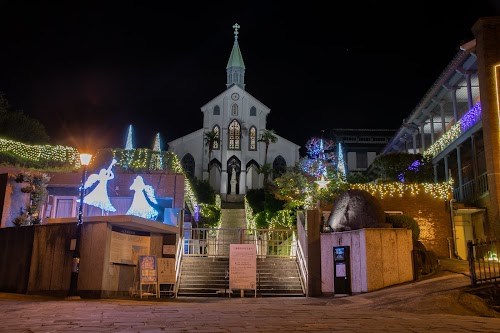
Japan's oldest standing Gothic-style Catholic church (1864), a National Treasure and centerpiece of Nagasaki's UNESCO Hidden Christian Sites.
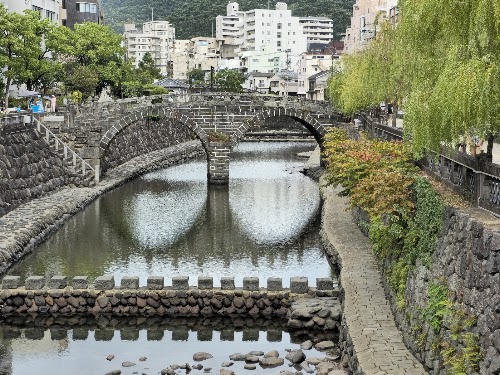
Built in 1634 over the Nakashima River, Japan's oldest double-arch stone bridge forms a pair of eyeglasses in the water—spot the hidden heart stone along the embankment.
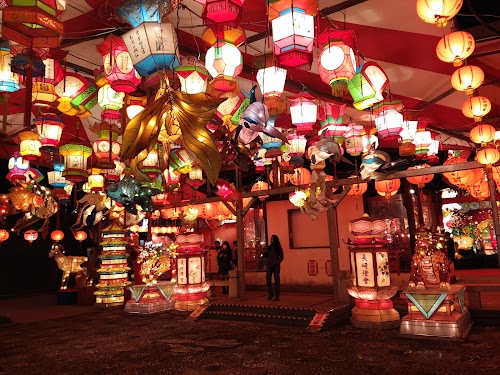
Japan's oldest Chinatown, framed by vermilion gates and packed with steaming champon parlors, braised pork buns, and Lantern Festival glow.
1629 Obaku Zen temple founded by Chinese residents, famous for its crimson Ming-dynasty Ryugumon gate and two National Treasure halls.
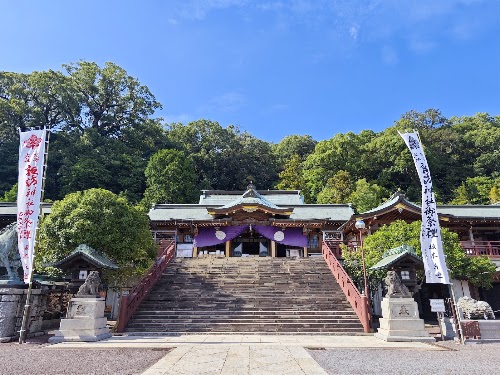
Grand hilltop Shinto shrine dating to 1625, sweeping over the city and hosting the exuberant Nagasaki Kunchi Festival every October.
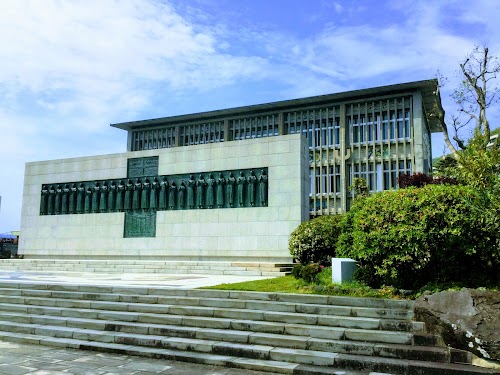
Nishizaka Hill bronze relief and Gaudi-inspired museum commemorating the 26 Christians martyred in 1597, designed by sculptor Funakoshi Yasutake.
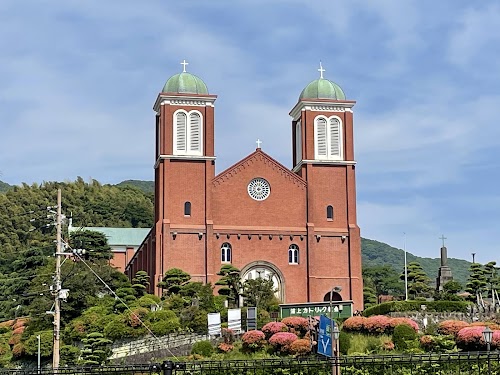
Red-brick Catholic cathedral rebuilt near the atomic hypocenter, displaying the poignant bombed Virgin Mary statue and angel ruins.
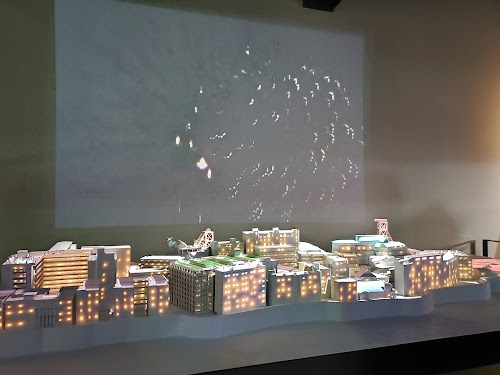
High-tech museum using VR and projection mapping to recreate daily life on the abandoned UNESCO coal-mining island of Hashima (Gunkanjima).
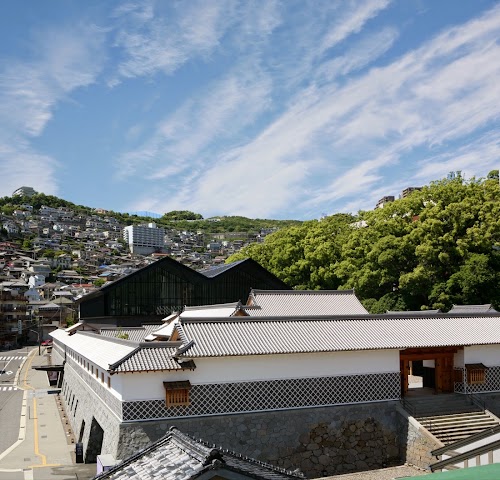
Engaging museum housing the reconstructed Nagasaki Magistrate's Office and rare artifacts from centuries of Sino-Dutch maritime exchange.
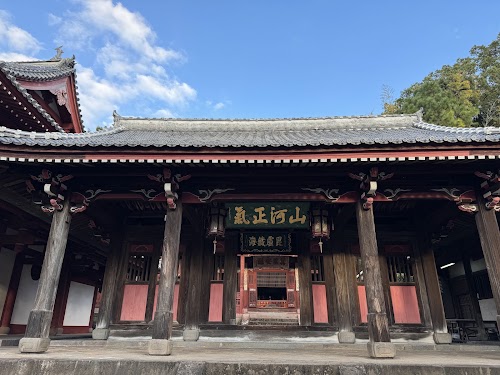
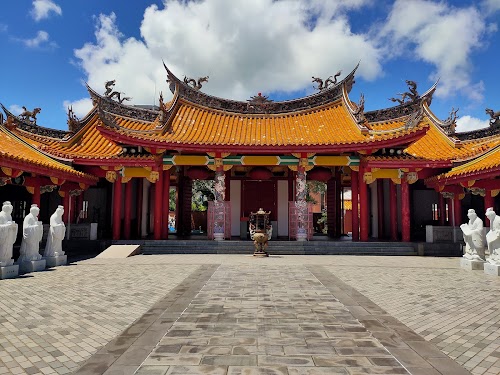
Vividly tiled Confucian shrine built in 1893 by Qing-era Chinese merchants, flanked by 72 marble sage statues and a Chinese Imperial Palace museum.
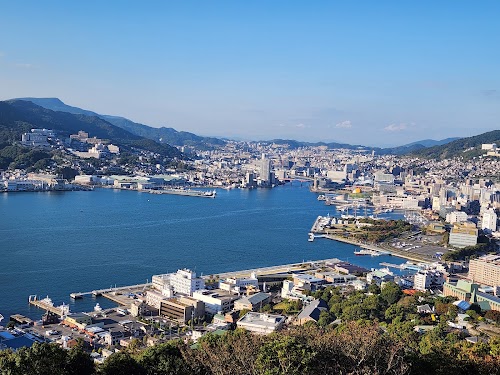
Quiet hillside observatory above Glover Garden offering an unobstructed harbor-level panorama of Megami Bridge, cruise ships, and Mt. Inasa.
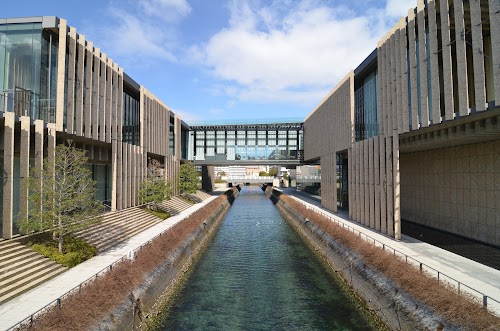
Sleek Kengo Kuma-designed waterfront museum straddling a canal near Dejima, renowned for its extensive Spanish art collection and rooftop garden.
Grand waterfront Chinese restaurant founded in 1899—the birthplace of Nagasaki Champon and Sara Udon, complete with a free noodle museum.
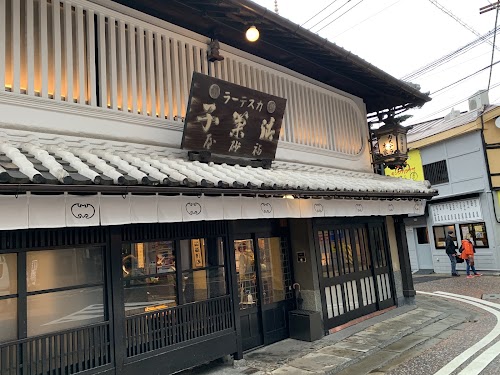
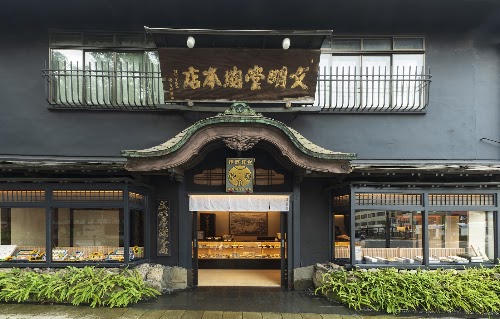
Nagasaki's most revered Castella bakery since 1624, hand-mixing golden sponge cakes finished with a signature crunchy zarame sugar crust.
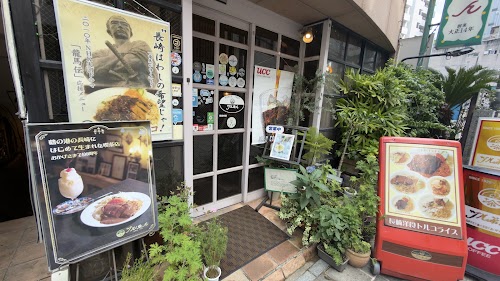
Kyushu's oldest kissaten coffeehouse (est. 1925), celebrated for inventing Toruko Rice (pork cutlet, pilaf, and spaghetti) and Nagasaki-style milkshakes.
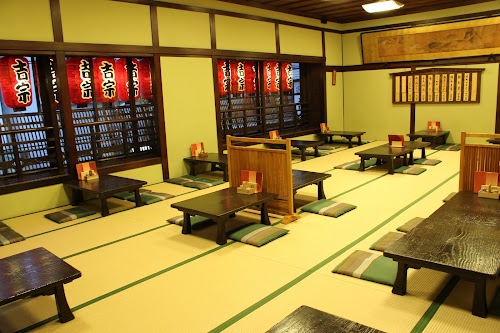
Atmospheric 1866 wooden restaurant famous for serving steaming lacquered bowls of chawanmushi (savory egg custard) paired with colorful mushizushi.
Refined Castella confectioner established in 1681, prized for its fragrant chocolate castella and upstairs retro salon overlooking the streetcar line.
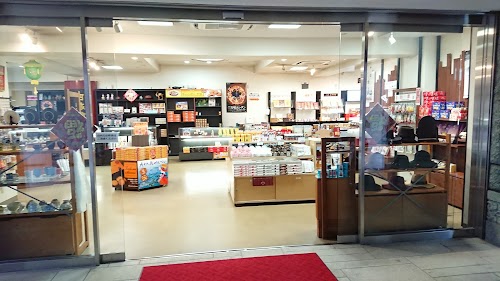
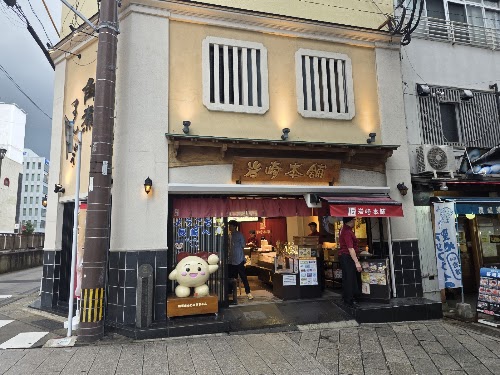
Flagship shop for Nagasaki's signature Kakuni Manju—melt-in-your-mouth soy-braised pork belly tucked inside pillowy steamed buns.
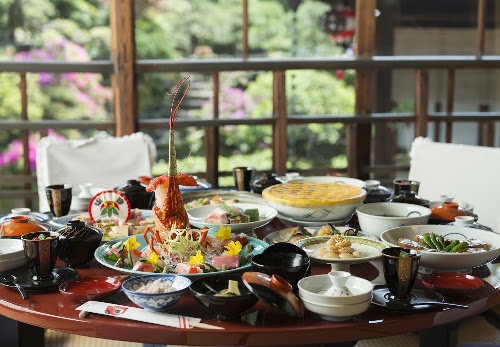
Historic 1642 ryotei banquet restaurant in the former Maruyama geisha quarter, offering traditional Shippoku multi-course Nagasaki fusion dining.
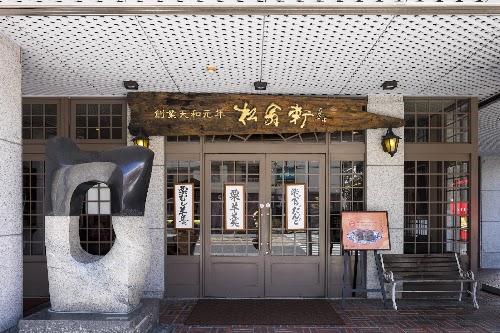
Iconic 1900 Castella landmark near Ohato, beloved for its rich Tokusen Castella and crispy Castella-maki dorayaki rolls.
Classic neighborhood Western-style eatery beloved by locals for generous plates of Toruko Rice with house-made demiglace sauce.
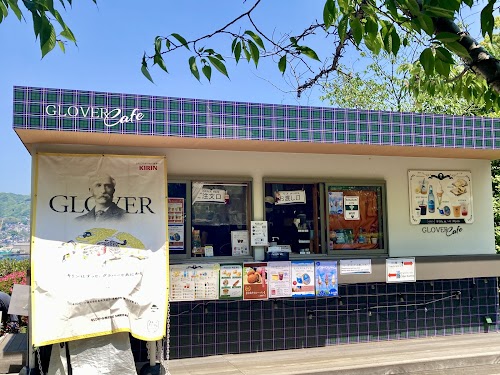
1878 Western-style wooden villa inside Glover Garden—Japan's first Western restaurant—now serving Dutch-drip cold-brew coffee with harbor views.