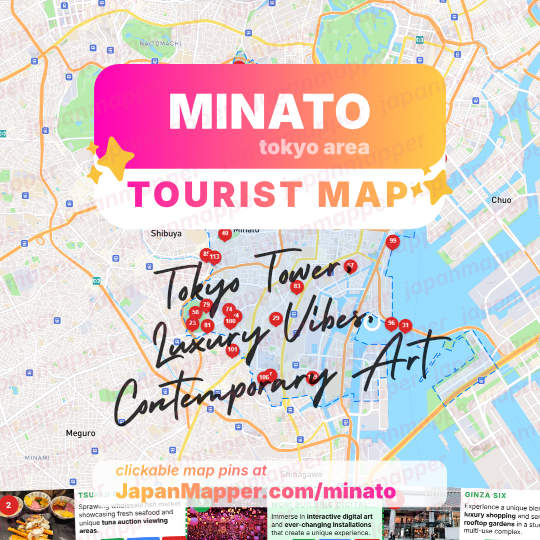
Billionaires, Salarymen, and Samurai Ghosts Sharing One Postal Code
Minato is where Tokyo plays out its identity crisis in public. Most visitors write it off as a soulless playground for expats and hedge funders because they only see the glossy high-rises of Roppongi or the red lattice of Tokyo Tower.
What makes Minato bizarre is how ruthlessly the hyper-modern sits on top of old-world grit. You can walk thirty seconds away from a Ferrari showroom and end up on a steep, winding alley where families have lived in wood-frame houses since the post-war recovery. It holds the highest concentration of embassies and foreign wealth in Japan, yet its backstreets harbor smoke-filled drinking dens, centuries-old shrines, and bizarre relics of samurai drama. If you want to understand how Tokyo stacks unfiltered corporate greed directly against stubborn neighborhood history, this is ground zero.
Glass Towers Bleeding Into Shabby Drinking Alleys
Walking through Minato is a disorienting trip through extreme tax brackets. Around Roppongi Hills and Midtown, everything is polished stone, brutal security guards, and tourists trying to take selfies under giant art installations. It feels sterile, expensive, and completely detached from everyday Japan.
Drop down the ridge into Azabu-Juban, and the entire atmosphere fractures. The concrete megastructures vanish, replaced by narrow cobblestone streets, old stationery shops, and local greengrocers. Head east toward Shinbashi at 6:00 PM, and the veneer disappears entirely. Shinbashi is the spiritual headquarters of the Japanese salaryman. The streets under the Yamanote train tracks reek of charcoal, cheap draft beer, and tobacco. It is chaotic, loud, and entirely unbothered by outside tourists. Minato is not a single mood; it is an uneasy truce between international private wealth and gritty, working-class engine rooms.
Feudal Snobs, Foreign Gunboats, and Red-Light Survival
Minato was shaped by defensive geography and historical paranoia. During the Edo period, the Tokugawa shogunate deliberately handed out the high, breezy ridge tops to powerful daimyo feudal lords for their sprawling estates. The working class—the merchants, geisha, and laborers—were shoved down into the humid, flood-prone valleys. That topographical divide still dictates the city's class structure today: the ultra-rich occupy the hills, while the legacy businesses hold the low ground.
When Commodore Perry steamed into Tokyo Bay with his black ships in 1853, Minato was the front row of the panic. The shogunate hastily built a chain of island fortresses right offshore (now Odaiba) to fend off western artillery. Decades later, after the firebombing of WWII flattened the coastal flatlands, areas like Roppongi became military hubs for the Allied occupation forces. The influx of American GIs spawned an instant underground economy of hostess bars, black markets, and jazz clubs. Minato didn't become an expat-heavy nightlife district by accident; it was forced into it as a wartime frontier post.
Hardwood-Charred Skewers and Molten Taiyaki
If you are eating at a hotel terrace or a chain restaurant here, you're missing the plot. Hit these two staples instead:
- Pork Offal Kushiyaki at Toriyoshi (Shinbashi): Skip delicate chicken yakitori and eat what actually fuels the working class. In the maze beneath Shinbashi station, squeeze onto a greasy stool and order shiro (intestine) and kashira (temple meat) seasoned with sharp, salty tare. They grill the cuts over blindingly hot binchotan charcoal, giving the meat a caramelized crust while keeping the interior rich, chewy, and smoky. Wash it down with a brutally cold highball.
- Charcoal-Baked Taiyaki at Naniwaya Sohonten (Azabu-Juban): Operating since 1909, this shop invented the fish-shaped waffle cake. Unlike the thick, doughy, mass-produced sponges sold at tourist hubs, Naniwaya bakes each cake individually in heavy cast-iron scissor molds. The shell is wafer-thin, blistered, and impossibly crispy, packed edge-to-edge with coarse red adzuki beans stewed for eight hours with minimal sugar to keep the flavor earthy.
From Sailor Moon’s Backyards to Yakuza Turf Wars
Minato shows up constantly in Japanese media, usually as the battleground between pristine wealth and underworld crime:
- Sailor Moon: Naoko Takeuchi set the core of the series right in Azabu-Juban. Usagi Tsukino and her crew regularly hang out around the Juban shopping street and meet at the Sendai-zaka slope.
- Yakuza / Like a Dragon: The fictional district of Kamurocho is based on Shinjuku, but the real-world criminal headquarters and high-stakes corporate conspiracies in the franchise constantly pull the plot back to the elite offices, underground parking garages, and luxury lounges of Roppongi.
- Lost in Translation & Kill Bill: Gonpachi in Nishi-Azabu served as the architectural blueprint for the bloody Crazy 88 fight scene in Kill Bill, while the sprawling corporate corridors and skyline views of Minato capture the dizzying, alienating tone of modern Tokyo on film.
The Alleys Tourists Stumble Right Past
Everyone crowds the observation deck of Tokyo Tower or wanders around the main Roppongi intersection. Skip that herd and seek out these spots:
- Sengaku-ji’s Silent Graveyard: Most people know the legend of the 47 Ronin—the masterless samurai who avenged their lord and committed ritual suicide. Almost nobody visits their actual burial ground, tucked into a sleepy residential pocket near Takanawa Gateway. You can walk right up to the mossy stone markers and smell the thick incense smoke hanging permanently over the quiet courtyard.
- The Hidden Spiral of Atago Shrine: While tourists take the elevator up nearby skyscrapers for views, walk to Mount Atago—the tallest natural hill in Tokyo’s 23 wards. Approach it via the steep, dizzying stone staircase known as the "Steps of Success." Legend says a samurai rode his horse up this brutal incline to fetch plum blossoms for the shogun. At the top sits a quiet Edo-era shrine hidden beneath a dense tree canopy, completely isolated from the traffic below.
- Odaiba Battery No. 3 (Daiba Park): Skip the mall complex and the giant Gundam. Walk across the quiet path to the actual remains of the 1853 offshore cannon battery. It is an overgrown, grassy earthen fort with massive stone foundations jutting into the bay, offering a completely unobstructed view of the Rainbow Bridge spans without a single soul around you.
The Roppongi Nightlife Myth
Guidebooks and travel influencers still treat Roppongi as Tokyo's premier international nightlife center. In reality, modern Roppongi's main drag is an overpriced, predatory mess.
If you walk down the main street past midnight, you will be aggressively hounded by foreign touts offering drink deals at unlicensed basement clubs where credit card fraud, spiked drinks, and extortionate table charges are common hazards. The glamorous international scene of the 1990s has largely moved on. If you want authentic night culture, walk twenty minutes away to the standing bars (tachinomi) of Shinbashi, or head into the quiet wine bars and listening lounges tucked inside the residential fringes of Akasaka.
Street-Level Tactics
- Conquer the Ridges via Chii-Bus: Walking Minato’s steep hills (zaka) in the summer heat will drain your stamina within an hour. Skip the deep, labyrinthine subway transfers and use the Minato Chii-Bus network. These mini community buses cost 100 yen per ride, accept IC cards, and navigate the steep, narrow back alleys between Roppongi, Azabu, and Shinbashi that trains can't touch.
- Hit Zojoji Temple at 6:00 AM: Do not visit Zojoji during midday when tour buses pack the plaza. Arrive at dawn when the main gates open. You can witness the monks' morning chanting rituals in the main hall with almost nobody else around, framing the ancient wooden gate against an empty Tokyo Tower while the morning light breaks over the ridge.
- Use the Shimbashi Underground Shortcut: When rain hits or surface streets crowd, drop into the underground shopping malls (Wing and Asahi) beneath Shinbashi Station. They form a subterranean corridor running all the way through Shiodome to the edge of Hamarikyu Gardens, loaded with cheap noodle stands and coffee stalls that cater strictly to commuters rather than sightseers.