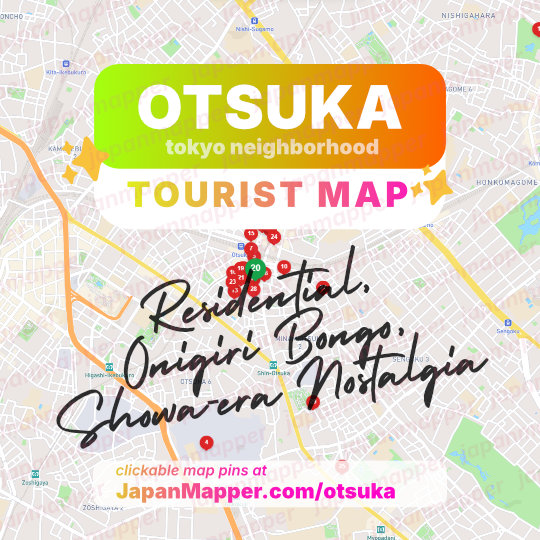
One Yamanote Stop From Chaos, Worlds Away in Mind
If you ride the Yamanote Line loop, you’ve probably stared right through Otsuka without blinking. It sits squeezed between the hyperactive anime mecca of Ikebukuro and the quiet, sleepy residential lanes of Sugamo. Most visitors bypass it entirely because it doesn't have a giant neon observation deck or a crossing with five thousand people scrambling across it.
That oversight is exactly why it rules. Otsuka is one of the last places on central Tokyo’s primary train loop where the street-level fabric hasn't been scrubbed clean by mega-developers. It runs on clattering streetcars, neighborhood standing bars, and an unpretentious, slightly rough-around-the-edges grit that tourist boards usually try to sweep under the rug.
Two Halves Separated by Steel and Neon
Step out of the station and you immediately notice Otsuka is split right down the middle by its tracks.
The North Exit hits you with a blast of post-war sprawl. It's dense, tangled, and dizzying. You’ll walk past vintage kissaten coffee joints, immigrant-run spice shops, and small izakayas tucked shoulder-to-shoulder with hostess bars and love hotels. It’s loud, raw, and completely unapologetic.
Cross beneath the tracks over to the South Exit, and the energy drops a gear into retro working-class calm. Here, the red-and-white cars of the Toden Arakawa Line—Tokyo’s sole surviving municipal tram—trundle right through the street, dinging their bells as cars and pedestrians casually wait their turn. It feels less like modern central Tokyo and more like a Showa-era film set that just never bothered packing up.
Squeezed Out by Steam and Redevelopment
Otsuka wasn't supposed to be an underdog. Back around the turn of the twentieth century, it was actually positioned to be the primary railway junction for the region. But local pushback, terrain politics, and shifting rail priorities diverted the massive intercity rail lines a mile west straight into Ikebukuro, leaving Otsuka in the dust.
Ikebukuro ballooned into a monstrous commercial titan of department stores and commuter terminals, while Otsuka became an accidental time capsule. Instead of high-rise malls, it absorbed the working-class overflow: small entertainment outfits, independent bathhouses, and a sprawling red-light trade that flourished quietly in the post-war decades. Missing out on the early railway gold rush ended up saving the neighborhood from being turned into another copy-paste glass-and-steel commuter hub.
Rice Bombs and Serious Sake
Forget delicate tasting menus; eating here is all about straightforward, heavy-hitting comfort.
First up is Onigiri Bongo, located just steps off the north side. People wait hours for these things, and for once, the neighborhood staple actually justifies the noise. These aren't the tight, chilled triangles sitting in convenience store plastic cases. The chefs pack piping-hot rice so loosely that each bite feels like it’s barely holding together, cramming them with fillings like salted salmon, curry beef, or spicy cod roe with cream cheese. It’s warm, massive, and messy.
When dusk settles, navigate south toward the local drinking dens specializing strictly in dry sake paired with seasonal fish. Spots like Kigawa treat sake like a craft religion rather than a party fuel, serving obscure, unpasteurized bottles from small regional breweries alongside scorched mackerel and simmered tripe.
Trams, Alleyways, and Celluloid Nostalgia
If the ding of the streetcar bell sounds strangely familiar, you’ve likely caught it on screen. Makoto Shinkai leaned heavily into this corner of Tokyo for his anime feature Weathering with You. The visual contrast of the vintage tram tracks skirting modern asphalt provides that signature bittersweet, transitional Tokyo atmosphere the director loves.
The area also regularly crops up as the backdrop in classic Japanese noir and gritty television detective dramas. When Japanese directors need an urban neighborhood that instantly reads as lived-in, slightly weary, and grounded in real life, they skip Shibuya and point their cameras straight down Otsuka’s alleyways.
Where Nobody Looks Twice
- Tenso Shrine’s Ancient Ginkgo: Squeezed between modern concrete apartments right near the South Exit, this modest neighborhood shrine houses a ginkgo tree estimated to be around 600 years old. It survived the aerial bombings of World War II, standing scarred and stubborn in an alley tourists walk past every single minute.
- The Toden Tram Overpass: Head to the elevated bridge over the Arakawa line at sunset. Most folks rush across to catch the JR line, missing the framing: the single-car tram descending into a shallow valley framed by neon laundry signs and tangled overhead power lines.
- The Pocket Yokocho Behind the Tramway: Slip through the tiny, unmapped corridors just east of the tram tracks on the South side. You’ll find micro-bars with four stools, zero English signage, and old proprietors who have poured the same draft lager to the same six neighbors since 1982.
The Myth of the Sleazy No-Go Zone
Because Otsuka’s north side historically held a reputation for love hotels and late-night vice, certain travel forums and cautious guidebooks will warn travelers away, calling it "sketchy" or "seedy."
That warning is completely out of touch. Tokyo’s version of "seedy" is still safer than the downtown core of nearly any major Western city. While you’ll certainly see neon signs for cabaret clubs and hourly rooms, you aren't going to get hassled or mugged. Writing off the northern district out of manufactured fear means you miss out on some of the most vibrant, multi-ethnic street food and retro drinking joints in the city.
Playing It Smart on the Asphalt
- Tackle Bongo Off-Peak: The line for Onigiri Bongo regularly tops two hours during lunch and evening rushes. Show up at mid-afternoon (around 2:30 PM to 4:00 PM) on a weekday to slash that wait down to a manageable twenty minutes, or order takeout over the phone if you speak basic Japanese.
- Ride the Tram Toward Minowabashi: Skip the subway for an afternoon. Tap your transit IC card to hop on the Toden Arakawa tram heading east toward Minowabashi; it gives you a slow, front-row view through Tokyo's backyard gardens and vintage residential zones for just a couple hundred yen.
- Ditch the Luggage Early: Otsuka station has very few large lockers compared to its gargantuan neighbors. If you’re traveling heavy, store your bags at Ikebukuro Station first before taking the two-minute ride over to explore on foot.