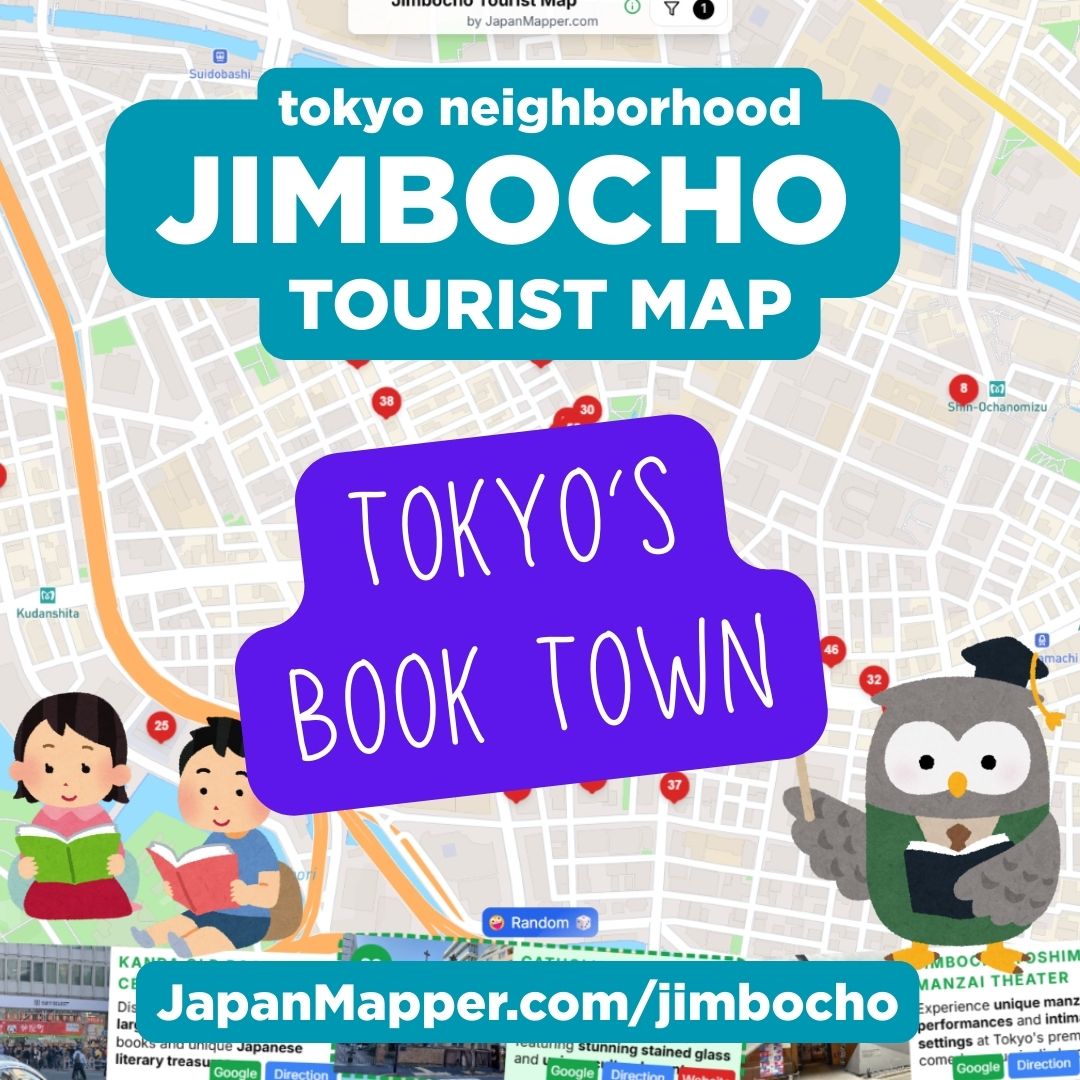
Forget the neon sensory overload of Shibuya for a second. If Tokyo had a "comfy sweater" phase, it would be Jimbocho. Recently crowned by Time Out as the coolest neighborhood in the world for 2025, this place is a vibe.
Imagine over 150 bookstores—ranging from towering glass buildings to tiny stalls that look like they’re held together by sheer willpower and the scent of old paper—all packed into a few blocks. Whether you're a hardcore bibliophile, a curry connoisseur, or just someone who wants to feel like the protagonist of a melancholic indie film, Jimbocho is your spot.
Why is Everyone Obsessed with This Place?
What makes Jimbocho unique isn't just the sheer volume of books; it's the analog soul of the area. In a world of Kindle and TikTok, Jimbocho is a sanctuary for things you can touch.
- The South-Facing Secret: Notice how almost all the bookshops are on the south side of the street? That’s not a coincidence. It’s to keep the books away from direct sunlight so the pages don't yellow. That’s the level of "book-geek" we're dealing with here.
- The One-Handed Meal: Because everyone here is usually holding a book, the food culture evolved to be "one-hand friendly." This gave rise to Jimbocho’s legendary status as the Curry Capital of Tokyo.
Spots You Actually Can’t Miss (The Classics)
- Sanseido Bookstore: The titan of the neighborhood. It’s currently being rebuilt into a futuristic landmark, but its legacy as the "heart" of the book town remains.
- The Kanda Used Book Festival: If you're here in late October, the sidewalks literally turn into a sea of books. It’s like a treasure hunt where the prizes are 100-yen vintage paperbacks.
- Shosen Grande: Seven floors of pure hobbyist heaven. From trains to pro-wrestling to niche tech manuals, if it’s a hobby, they have a floor for it.
The "If You Know, You Know" Hidden Gems
- Anegawa Nyankodo (The Cat Bookstore): Yes, a bookstore dedicated entirely to cats. It’s exactly as wholesome as it sounds.
- Vintage Jimbocho: This tiny shop is a goldmine for vintage movie posters and 1980s anime magazines. It’s like stepping into a time capsule of the Bubble Era.
- The Jimbocho Theater: An architectural marvel that looks like a metallic origami bird. They show classic Japanese films and host traditional storytelling (rakugo).
Wait, Is This the Setting of My Favorite Anime?
Jimbocho pops up in pop culture more than you’d think!
- Literature in Real Life: The hit novel and film Days at the Morisaki Bookshop is a love letter to this neighborhood.
- Anime Vibes: You’ll recognize the streets in series like Dropkick on My Devil! (Jashin-chan Dropkick), where the characters frequently roam the curry shops and bookstores.
- The Publishing Giants: The headquarters of Shueisha (the home of Weekly Shonen Jump and One Piece) and Shogakukan (Detective Conan) are right here. Walking past these buildings feels like being at the "source code" of manga.
A Little History (To Impress Your Travel Buddies)
The name comes from Jimbo Nagaharu, a 17th-century samurai who lived here. However, the "Book Town" we see today started in the 1880s. Because there were so many law schools and universities nearby (like Meiji and Nihon University), students needed cheap textbooks. They’d sell them back, freshmen would buy them, and boom—a secondhand ecosystem was born.
Mystery Snippet: During WWII, most of Tokyo was devastated by firebombing. Legend has it that Jimbocho was largely spared because scholars in the U.S. pleaded to save the irreplaceable literary treasures housed here. While historians debate the "official" reason, the locals love the idea that books literally saved the city.
"Curry & Coffee" – The Cultural Soul
You haven't lived until you’ve tried Jimbocho curry.
- Bondy: Located in a slightly sketchy-looking building (you enter through the back near a parking lot), they serve a European-style curry that comes with a side of steamed potatoes. It’s consistently ranked #1.
- Sabouru: A "Kissaten" (old-school cafe) that looks like a mountain hut. It’s been here since 1955. Order the mountain-high soda float or the "Pizza Toast"—it’s a rite of passage for every Japanese writer who has ever struggled with a deadline.
Setting the Record Straight (Fact Check & Myths)
- Misconception: "I don't read Japanese, so I shouldn't go."
- Truth: Many shops, like Kitazawa Bookstore and Isseido, specialize in English and foreign language books. Plus, the vintage posters and woodblock prints are a universal language!
- Misconception: "It's a tourist trap now because of the 'Coolest Neighborhood' title."
- Truth: While it’s getting busier, the "gatekeepers" of Jimbocho are still 80-year-old shop owners who don't care about trends. It remains stubbornly authentic.