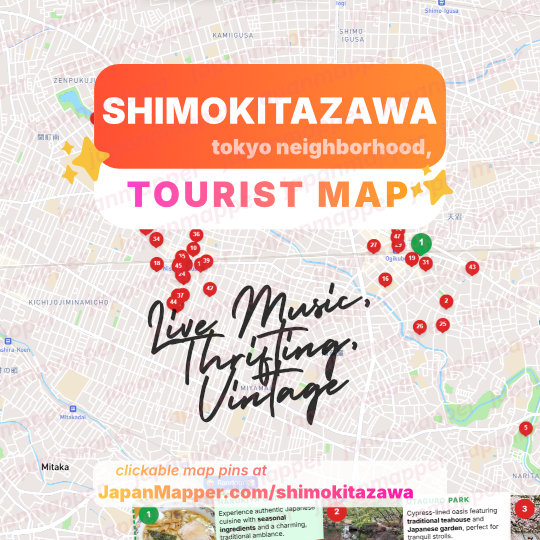
Tokyo’s Bohemian Heart
If you are meticulously mapping out Japan's best neighborhoods, Shimokitazawa (or "Shimokita" to the locals) deserves a massive pin. Located just a few minutes by train from the chaotic neon of Shibuya and Shinjuku, Shimokita is the perfect antidote to Tokyo’s high-speed hustle.
Exploring this neighborhood feels exactly like stepping into a beautifully crafted small open-world game. There are no massive skyscrapers or overwhelming main quests—just a dense, highly walkable map packed with intricate alleyways, quirky NPCs (local shop owners), and endless hidden discoveries.
Here is everything you need to know about Tokyo's coolest, laid-back district.
What Makes Shimokitazawa So Unique?
Shimokita’s charm lies in its scale. Because the area wasn't originally designed for car traffic, the streets are narrow, winding, and completely pedestrian-friendly. It is a haven for youth culture, vintage clothing, independent art, and third-wave coffee.
When the sun sets and the lanterns flicker on, the twisting alleys take on the moody, atmospheric lighting of a classic 80s or 90s mystery thriller. You can almost imagine the tight, suspenseful camera angles of a film like The Conversation or Manhunter—except instead of chasing a suspect, you are just hunting down a legendary bowl of curry or a hidden jazz bar. It is artsy, slightly gritty, and completely authentic.
A Quick History Check
Shimokitazawa wasn't always a hipster paradise. It started as a quiet farming village. After the devastating 1923 Great Kanto Earthquake, many people fled central Tokyo and settled here. Post-WWII, it became a hub for U.S. soldiers and, later, college students taking advantage of cheap rent. That organic, unplanned street development is exactly what saved it from becoming another concrete jungle, allowing the bohemian, indie spirit of the 70s to thrive to this day.
Pop Culture & Anime Connections
Shimokita is a cultural powerhouse, and you will see its streets reflected across Japanese media:
- Bocchi the Rock!: This smash-hit anime essentially acts as a modern love letter to Shimokitazawa. The show perfectly captures the local indie music scene. The live house "Starry" in the anime is heavily modeled after Shelter, a real, legendary live music venue in Shimokita. You will often see anime fans making their pilgrimage here!
- Studio Ghibli Magic: While not an anime setting itself, the neighborhood is home to the officially licensed Shiro-Hige’s Cream Puff Factory. Tucked away in the nearby Daita area (just a short walk), this cafe serves adorable, incredibly detailed Totoro cream puffs that look almost too good to eat.
Must-See Classic Tourist Spots
- Village Vanguard: It calls itself an "exciting bookstore," but it’s actually a chaotic labyrinth of vintage memorabilia, novelty items, books, and pop-culture weirdness. Getting lost in here is practically a rite of passage.
- New York Joe Exchange: A thrift store housed in a former public bathhouse. You can literally shop for vintage denim and retro jackets while standing on old bathroom tiles.
- Mikan Shimokita & Reload: Two of the newer, modern developments that beautifully blend into the neighborhood. Mikan is a buzzing complex under the train tracks with international street food and a Tsutaya bookstore, while Reload is a sleek, minimalist walkway built on old train lines, packed with boutique shops and cafes.
- Honda Gekijo (Honda Theatre): The beating heart of Shimokita’s underground performing arts and comedy scene.
Hidden Gems
- Pianola Records & City Country City: For vinyl lovers, Shimokita is a goldmine. Head to Pianola for rare, experimental, and classical tapes/vinyls. City Country City is a brilliant hybrid: a record shop where you can dig through crates and then sit down for a surprisingly excellent plate of pasta.
- Suzunari Yokocho: A slightly gritty, incredibly atmospheric alleyway connected to the historic Suzunari theater. It is packed with tiny, eccentric bars and eateries. It is the perfect spot to practice your conversational Japanese if you are studying for your JLPT exams—the locals and bartenders here are usually chatty and welcoming.
- Stay Happy Café: A cozy, travel-themed café where you can literally sip your coffee or eat organic food while lounging in a hammock or sitting under a kotatsu (a heated table) in the winter.