Why Gunma-chan Works: The Design, Strategy, and Story Behind the Mascot
January 20, 2026 (9mo ago)
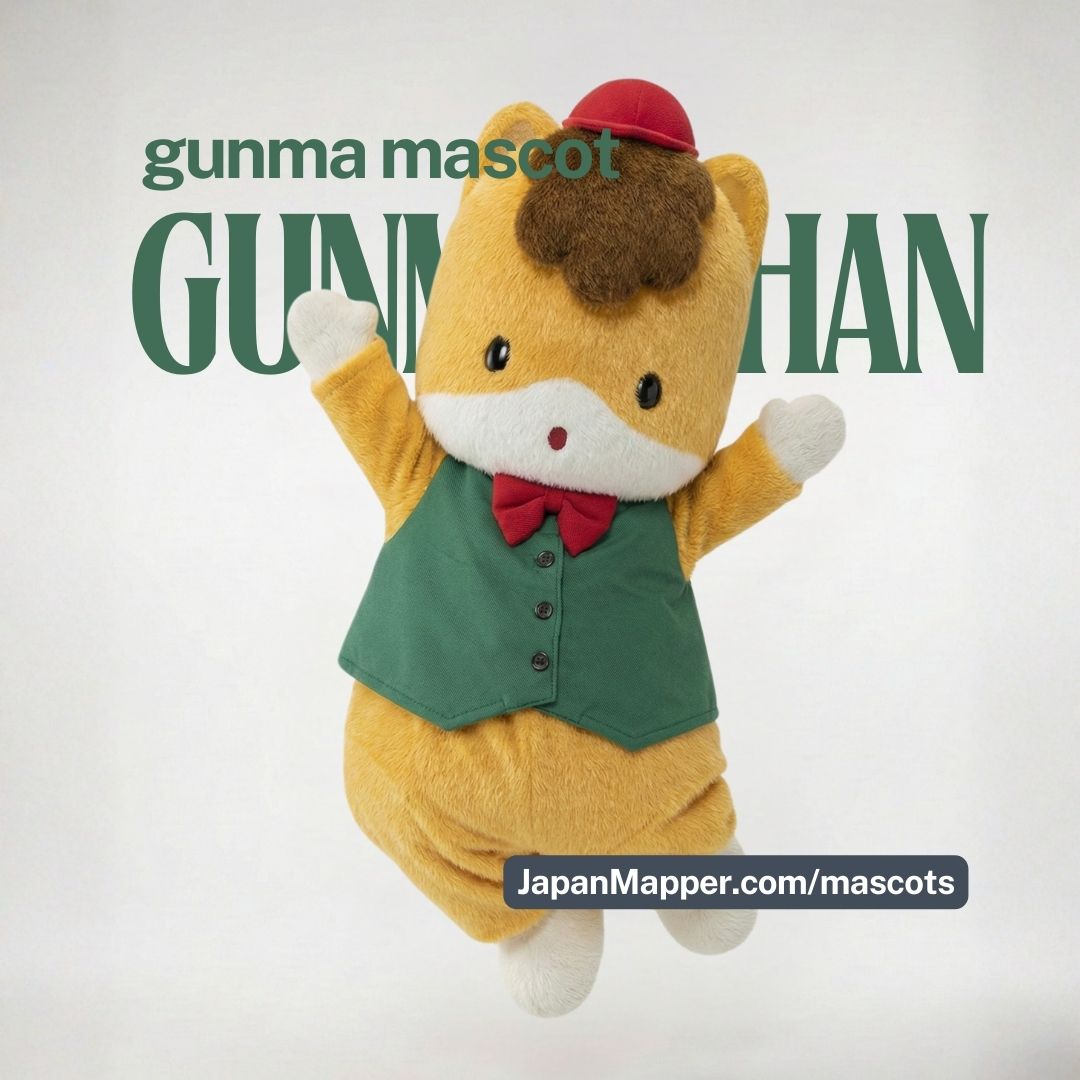
Gunma-chan (ぐんまちゃん) is the official mascot of Gunma Prefecture, Japan. At first glance, he appears simple: a small, round pony with a gentle smile and a green cap.
However, behind this minimalist design lies a 30-year history of strategic branding. Unlike the "shock value" mascots that often go viral and vanish, Gunma-chan is a masterclass in longevity, representing the quiet, nature-focused identity of his home region.
The "Not-So-Obvious" Design Secrets
Most tourists see a cute animal. Locals see a linguistic pun, a geography lesson and and a specific historical timeline defined by the color of his hat.
1. The Linguistic Link: Why a Pony?
Why is the mascot of Gunma a horse? It is a literal translation of the prefecture's name.
- Gun (群): Group / Herd
- Ma (馬): Horse
- Gunma (群馬): "Herd of Horses"
In ancient Japan, this region was famous for breeding horses for the Imperial Court. Gunma-chan isn't just a random animal; he is the living embodiment of the region's name.
2. Red vs. Green: The "Two Generations" of Gunma-chan
If you search for vintage goods, you might see Gunma-chan wearing a red hat. If you look at current goods, the hat is green. This is not a mistake; it marks the character's evolution.
-
The "Red Hat" Era (1st Generation - 1994):
-
The Look: When the character first debuted (originally for a sports festival), he was a four-legged pony wearing a red cap and a blue vest.
-
The Meaning: The red was chosen for visibility and energy, typical of athletic mascots in the 90s. This "Retro Gunma-chan" is still nostalgic for older locals.
-
The "Green Hat" Era (2nd Generation - 2008 to Present):
-
The Look: In 2008, the prefecture rebranded. Gunma-chan stood up on two legs (to make the costume walkability better) and the hat changed to green.
-
The Meaning: The switch to green was deliberate. It represents Gunma’s identity as a nature hub. The green symbolizes the mountains and forests that cover two-thirds of the prefecture. It signals that Gunma is a destination for hiking, camping, and onsen—a "Green Prefecture."
-
Why You See "Red" Now: To appeal to older fans and emphasize longevity, the prefecture is currently using the Red Hat version alongside the Green Hat version in their global branding. It signals "Tradition" (Red) meeting "Modernity" (Green).
If you buy Anime/Cute goods: Look for the Green Hat. If you buy History/Anniversary goods: Look for the Red Hat.
Analytics & History: The Long Road to #1
This section covers the data that proves Gunma-chan is a powerhouse, not just a drawing. Gunma-chan is unique because he is a "second-generation" success story.
The "Resurrection" Stat
- Origin (1994): The character debuted for the 3rd National Sports Festival for people with intellectual disabilities.
- The Pivot (2008): Most event mascots retire. Gunma-chan didn't. The prefecture rebranded him with the "two-legged" anthropomorphic design to make him easier to use in costume greeting events.
The Million-Vote Victory (2014) Gunma-chan’s dominance was cemented at the Yuru-Chara Grand Prix 2014.
- The Competition: He competed against 1,698 other mascots.
- The Result: He won 1st place with 1,002,505 votes.
- The Significance: This victory proved that a "quiet," traditional design could beat the "bizarre/funny" characters that were trending at the time.
The "Anime Strategy": Soft Power in Action
In 2021, Gunma Prefecture did something rare: they funded a full TV anime series, Gunma-chan.
- Target Audience: Unlike most mascot promotions which target tourists, this targeted children.
- The Goal: To instill regional pride in the next generation.
- The Reach: Season 1 (2021) and Season 2 (2023) aired on national TV, expanding the character's reach beyond tourism and into pop culture merchandise.
Why Gunma-chan Works (The "Open Source" Model)
Why do you see Gunma-chan on everything from toilet paper to cookies? Because he is (almost) free.
Gunma Prefecture employs a licensing strategy similar to Kumamon’s:
- Low Barrier to Entry: Local businesses can use the character image for free (with approval) if they sell Gunma-related products.
- Community Ownership: Because the government doesn't "gatekeep" the image aggressively, locals adopted him. You will see handmade Gunma-chan drawings in school windows and construction signs, making him feel like a neighbor rather than a corporate logo.
Travel Guide: Where to Find Him
If you are visiting Japan, here is where you can interact with the brand:
- Gunma-chan House (Tokyo): A dedicated antenna shop in Ginza (now relocated) that sells regional goods and hosts meet-and-greets.
- Kusatsu Onsen: As Gunma’s most famous hot spring town, Gunma-chan merchandise is ubiquitous here, often depicting him wearing a traditional yukata.
- Official Birthday: February 22nd. Large events are typically held in Maebashi City to celebrate.
Final Thoughts: The Power of Consistency
Gunma-chan reflects Gunma’s "underrated" identity. He doesn't scream for attention like the neon lights of Tokyo. He represents reliability, nature, and history. In an era of viral trends, Gunma-chan proves that being pleasant, consistent, and meaningful is a strategy that lasts for decades.