Sanomaro: The Ramen Samurai Who Became Sano City’s Cultural Icon
January 28, 2026 (9mo ago)
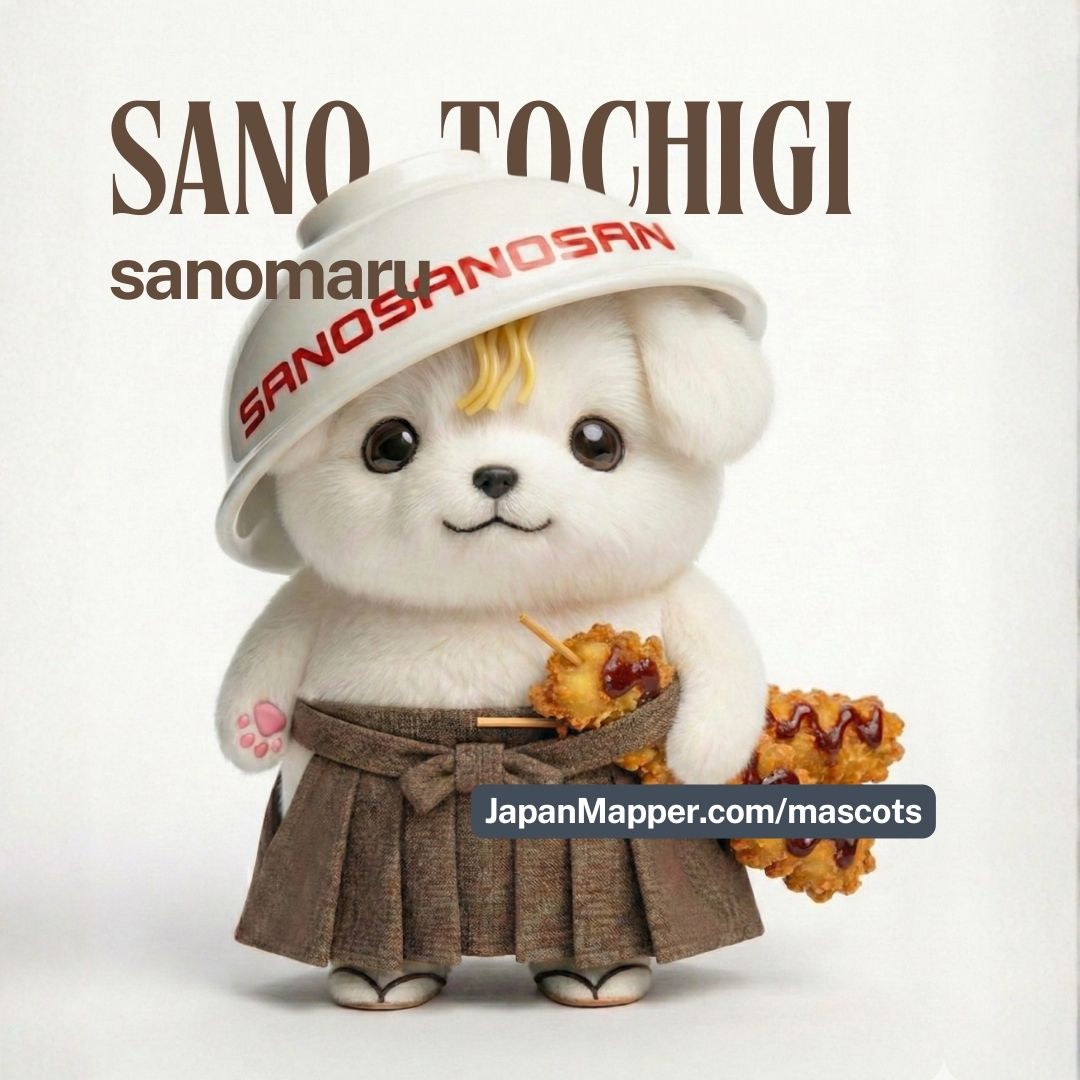
Sanomaro (さのまる) is the official mascot of Sano City in Tochigi Prefecture, Japan. At first glance, he appears to be a whimsical character: a small samurai with a round face, a ramen bowl for a helmet, and a cheerful expression.
However, Sanomaro is not merely "cute." He is a strategically designed cultural symbol that synthesizes Sano’s history, cuisine, and identity into a unified visual brand. He represents three core elements of the region:
- Samurai Heritage: A nod to the castle town history.
- Sano Ramen: The city's primary economic and cultural export.
- Omotenashi: Community pride and Japanese hospitality.
This seamless fusion makes him one of the most effective examples of regional branding in Japan.
Deconstructing the Design: Hidden Symbols
Sanomaro’s appearance is packed with symbolic references that go beyond aesthetics. It is a lesson in "visual shorthand"—conveying complex local pride through simple design.
1. The Ramen Bowl Helmet
His helmet is literally a bowl of Sano Ramen. This isn't just a quirky accessory; it transforms food into identity. Sano isn't promoting a character who likes ramen; the character is the ramen. This reinforces the dish as a cultural product rather than just a meal.
2. The "Sword" (The Secret Ingredient)
While it looks like a samurai katana, Sanomaro’s sword is actually Sano Imo-fry (deep-fried potato skewers), another local soul food. This is a brilliant branding twist:
- Visual: It maintains the samurai aesthetic of strength.
- Meaning: It replaces the weapon of war with a symbol of local flavor.
- Message: His "weapon" is delicious food, reinterpreting authority as hospitality.
3. The Neutral Expression
His facial design avoids complex emotions. In character design psychology, this simplicity allows for "emotional projection." Whether a visitor is happy or nostalgic, Sanomaro’s neutral, pleasant expression mirrors their feelings, making him universally approachable across all demographics.
Sano Ramen as Cultural Capital
Sanomaro is one of the rare mascots built entirely around a specific dish. Sano ramen is famous for its clear soy-based broth and handmade, flat curly noodles.
By embedding these traits into the mascot, Sano City transforms cuisine into tourism infrastructure:
- Food becomes narrative: The bowl is the hero.
- Dining becomes participation: Eating the ramen feels like connecting with the character.
- Restaurants become landmarks: Local shops benefit from the unified brand.
Sanomaro isn't just advertising; he is building emotional familiarity. Tourists often struggle to remember specific geography ("Sano City in Tochigi"), but they easily remember "The Ramen Samurai Town."
This is emotional anchoring—connecting memory to a character rather than a map location. It acts as "soft infrastructure," guiding tourist attention and creating a sense of safety and trust before they even visit.
Conclusion: Tradition Made Friendly
Sanomaro reflects the modern Japanese philosophy of preserving identity through adaptation. He proves that history doesn't have to be rigid to be respected. By condensing Sano City’s story into a ramen bowl and a smile, Sanomaro demonstrates that the most powerful branding tools aren't always technology—sometimes, they are characters that make us smile while making us hungry.