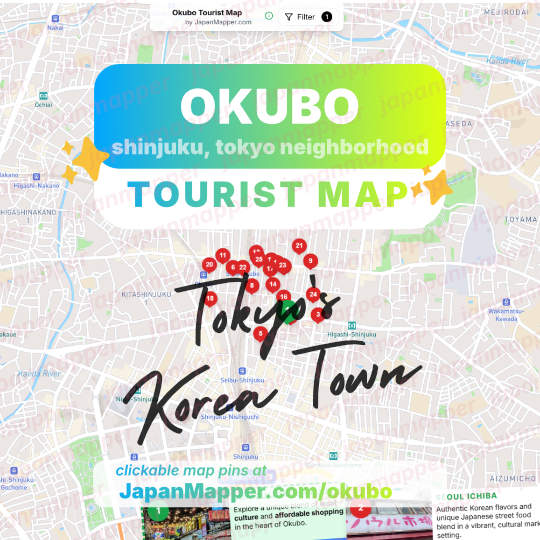
Right in the heart of Tokyo, just one stop north of the neon playground of Shinjuku, lies Shin-Okubo. Known primarily as Tokyo’s Koreatown, this vibrant neighborhood is basically a passport-free trip to Seoul.
What makes it so appealing? It’s the sheer energy. With around 9 million visitors annually and 45,000 daily passengers filtering through its station, Shin-Okubo is a sensory overload of blasting K-Pop, the sizzling sound of street food, and bright, colorful storefronts. But it's also a place where Tokyo's highly organized urban life seamlessly blends with a rich, multicultural heartbeat, making it a truly unique anomaly in Japan's capital.
From Post-War Roots to Hallyu Heaven
To really appreciate the vibe, you need a little historical insight. Shin-Okubo wasn't always a glittering hub of youth culture. After World War II, it was a working-class neighborhood that housed Korean laborers. In the 1950s, the founding of a Lotte confectionery factory nearby brought in more Korean immigrants, and by the 1980s, it had become a hub for exchange students. Fast forward to the early 2000s, the "Hallyu" (Korean Wave) hit Japan hard, transforming the area into the booming, neon-lit Koreatown we know today.
Fact Check: Common Misconceptions About the Area
-
Misconception 1: Shin-Okubo and Okubo are the exact same place.
-
Fact Check: Not quite! While people use the names interchangeably, they are next-door neighbors with different vibes. Shin-Okubo (centered around the JR Yamanote Line station) is the loud, flashy, neon-lit epicenter of Koreatown packed with idol stores and dense crowds. Okubo (around the JR Chuo/Sobu Line station just a 5-minute walk west) is the slightly more residential side where the crowds thin out and the neighborhood's deep multicultural roots take over. You can easily hit both in a single afternoon!
-
Misconception 2: It is strictly a Korean enclave.
-
Fact Check: Absolutely not! While Okubo-dori (the main street) is undeniably Korean, the broader neighborhood is a massive melting pot. Head over to the Okubo side to find "Islam Yokocho" (Islamic Street), home to a thriving Muslim community. Here, you can hunt down rare Halal ingredients, grab authentic South Indian biryani, or feast on Indonesian and Malaysian street food.
Stepping into Anime and K-Drama Dreams
If you’re a pop culture junkie, you’re in for a treat.
- Anime Insight: Ever watched Detective Conan? The fictional "Beika Station" in the beloved long-running anime was actually modeled right after JR Shin-Okubo Station! Walking out of the ticket gates feels like stepping right into a Conan Edogawa mystery.
- K-Drama & K-Pop Vibes: The explosive popularity of shows like Crash Landing on You brought massive waves of fans here. Whether you're hunting for unofficial BTS photocards, Blackpink lightsticks, or just want to feel like the main character in a K-Drama while walking down Ikemen-dori ("Alley of the Handsome"), this is the place to do it.
Glow Up and Gear Up: The Shopping Scene
Think of Shin-Okubo as a mini Myeong-dong. If you are into K-Beauty or idol merch, prepare your wallet.
- K-Beauty Havens: Shops like Skin Garden and Myeongdong Cosme offer massive selections of skincare, sheet masks, and makeup. Don't miss Eena Cosmetics, where you can even mix custom skincare products and snap pics in their social media photo booth.
- Merch Heaven: Idol Park and Hallyu Plaza are absolute must-visits for K-Pop fans, packed to the brim with albums, keyrings, character goods (like BT21), and concert gear.
- Supermarkets: Hit up Seoul Ichiba (Japan’s largest Korean food specialty store) for frozen kimbap, fresh kimchi, and all the instant ramen you can carry.
Get in My Belly: The Ultimate Foodie Crawl
Come hungry. The portions are huge, the prices are incredibly reasonable (many dishes well under ¥2,000), and the flavors are bold.
- Street Food Paradise: Grab a sweet hotteok (stuffed pancake) from POPO Hotteok or a crispy, potato-coated cheese corn dog to munch on while you walk.
- K-BBQ Classics: You can't leave without trying samgyeopsal (thick, three-layered pork belly). Tonchang is a retro-vibe pioneer of the dish here, while Yopu no Oubutashioyaki is famous for its premium cuts.
- Trendy Eats & UFO Chicken: Dive into cheese dak galbi or the wildly popular "UFO Chicken" (a massive ring of fried chicken dipped into a center pool of melted cheese) at spots like Nandaemon Norimaki. You can also check out Kankoku Yokocho, a two-story food alley modeled after a vibrant Korean night market.
- Aesthetic Cafes: Finish with Korean shaved ice (bingsu) at Sulbing Cafe, or snap mind-bending photos inside the 2D Cafe, which features an interior that looks entirely like a flat, black-and-white comic book.
Secret Shrines and Spooky Storytellers
Need a break from the crowds? Shin-Okubo hides some fascinating secrets right off the main avenues.
- The Hit-the-Jackpot Shrine: Just a minute from the station is the Kaichu Inari Shrine. Dating back to the 1500s, it was originally associated with samurai firearm accuracy. Today, it’s a hidden gem known as the "Hit-the-Jackpot Shrine." Visitors flock here to buy omamori (amulets) and pray for luck in lotteries, gambling, or scoring impossible idol concert tickets!
- A Spooky Mystery Snippet: Tucked away in the neighborhood is the Koizumi Yakumo Memorial Park. It’s dedicated to Lafcadio Hearn, a Greek-Irish writer who moved to Japan in 1890, took a Japanese name, and became famous for translating incredibly creepy, classic Japanese ghost stories and folklore (Kwaidan) for the Western world. He spent his final days writing right here in Okubo.
- Old-School Bathing: Check out Mannenyu Bathhouse, a traditional, tattoo-friendly sento where you can soak away a long day of walking for just ¥520.